Wireless Camera vs Wi‑Fi Camera: Key Differences and How to Choose
- What people mean by “wireless camera” and “Wi‑Fi camera”
- Wireless camera — a broader category
- Wi‑Fi camera — a specific wireless type
- Key technical differences
- Transmission method and network architecture
- Power options
- Bandwidth, resolution and latency
- Range and interference
- Security and encryption
- Practical pros and cons
- Advantages of Wi‑Fi cameras
- Limitations of Wi‑Fi cameras
- Advantages of non‑Wi‑Fi wireless cameras
- Limitations of non‑Wi‑Fi wireless cameras
- Use cases: when to choose which
- Choose Wi‑Fi cameras if:
- Choose non‑Wi‑Fi wireless or battery options if:
- How to evaluate cameras before purchase
- Technical checklist
- Installation and maintenance considerations
- Security best practices for wireless deployments
- Network and device hardening
- Data privacy and compliance
- Why manufacturers’ capabilities matter: Innotronik’s position
- Final recommendations
- Why choose Innotronik
What people mean by “wireless camera” and “Wi‑Fi camera”
When shopping for CCTV or smart-home solutions, the terms “wireless camera” and “Wi‑Fi camera” are often used interchangeably — but they are not always the same. Clear definitions help you match technology to your installation needs.
Wireless camera — a broader category
“Wireless camera” commonly describes any camera that transmits video or control signals without a fixed coaxial or Ethernet cable. That can include several transmission technologies:
- Battery-powered or solar cameras that use Wi‑Fi to send footage.
- Analog wireless cameras that use dedicated RF links (e.g., 2.4 GHz analog transmitters) to a proprietary receiver.
- Wireless IP systems that communicate over private wireless links (e.g., point‑to‑point wireless bridges).
Wi‑Fi camera — a specific wireless type
A “Wi‑Fi camera” is a wireless camera that uses IEEE 802.11 (Wi‑Fi) standards to connect to a local network or the internet. Wi‑Fi cameras are usually IP cameras that stream digital video packets via your router to cloud, smartphone apps, or an NVR/DVR supporting IP inputs.
Key technical differences
Transmission method and network architecture
Wi‑Fi cameras rely on your home or business Wi‑Fi network (2.4 GHz and/or 5 GHz bands) and standard network protocols (TCP/IP). Analog wireless cameras use proprietary RF links to a dedicated receiver; these are generally not accessible via a LAN without additional conversion hardware.
Power options
“Wireless” may only describe data transmission — many so-called wireless cameras still need a wired power source. Wi‑Fi cameras commonly require mains power or PoE via a network cable (if supported). Battery-powered Wi‑Fi cameras exist and offer true cable-free installations, but battery life and recording time must be considered.
Bandwidth, resolution and latency
Because Wi‑Fi cameras transmit digital video over IP, they can support high resolutions (1080p, 4K) and modern video compression (H.264/H.265). However, high resolution needs higher Wi‑Fi bandwidth and can introduce latency on congested networks. Analog wireless links typically have lower resolution and more latency or interference but may offer lower latency in some dedicated RF systems.
Range and interference
Wi‑Fi range is limited by router power, obstacles, and band frequency (2.4 GHz offers better penetration; 5 GHz offers higher throughput but shorter range). Analog wireless systems may achieve long range with line-of-sight but are more susceptible to interference and have less encryption or interference mitigation.
Security and encryption
Wi‑Fi cameras benefit from established security standards (WPA2/WPA3, TLS/HTTPS for cloud streaming, ONVIF for secure device interoperability). Analog wireless transmissions often lack robust encryption and can be easier to intercept without secure receivers.
Practical pros and cons
Advantages of Wi‑Fi cameras
- Easy integration with routers, cloud services, mobile apps and smart-home platforms (Alexa, Google Assistant).
- High-quality digital video with modern compression and metadata (motion, audio, analytics).
- Standardized protocols (ONVIF, RTSP) that simplify integration with NVRs and VMS systems.
- Secure connections using modern encryption when properly configured.
Limitations of Wi‑Fi cameras
- Dependence on Wi‑Fi network quality — can suffer from congestion, interference, or weak signal in large properties.
- Higher bandwidth needs for high-resolution footage; may require network upgrades or mesh systems.
- Battery models need charging or replacement; wired power improves reliability.
Advantages of non‑Wi‑Fi wireless cameras
- Analog RF links can be simple to set up for point-to-point installations where Wi‑Fi infrastructure is not available.
- Some proprietary wireless systems are optimized for ultra-low latency or very long-range links.
- Battery-powered or solar wireless cameras allow installations where running power/data cables would be difficult or costly.
Limitations of non‑Wi‑Fi wireless cameras
- Often lower video quality and fewer integration options with network video systems.
- Weaker security and encryption standards; easier to intercept analog RF streams.
- Proprietary receivers can limit flexibility and scalability.
Use cases: when to choose which
Choose Wi‑Fi cameras if:
- You want high-resolution, networked IP cameras with cloud/mobile access.
- You plan to integrate cameras with an NVR, VMS, or smart-home system via ONVIF/RTSP.
- Your site already has reliable Wi‑Fi coverage or you can install a mesh/enterprise Wi‑Fi solution.
- Security and software features (encryption, firmware updates, analytics) are a priority.
Choose non‑Wi‑Fi wireless or battery options if:
- There is no existing network infrastructure and running cables is impractical.
- You need a temporary or remote installation (construction sites, events, remote properties).
- Low power, long-range analog links or point‑to‑point wireless bridges are better suited to the environment.
How to evaluate cameras before purchase
Technical checklist
- Connectivity: Wi‑Fi bands supported (2.4 GHz vs 5 GHz), PoE support, or proprietary wireless.
- Resolution and compression: 1080p/4K options, H.264/H.265 support for bandwidth efficiency.
- Latency and frame rate: required for real‑time monitoring or PTZ control.
- Security features: WPA3 support, TLS, secure boot, regular firmware updates.
- Integration: ONVIF/RTSP compatibility, cloud service availability, and app quality.
- Power: battery life, solar compatibility, PoE, or mains power requirements.
- Recording and storage: cloud subscriptions vs local NVR, SD card support, retention policies.
Installation and maintenance considerations
Plan placement for optimal Wi‑Fi signal or line‑of‑sight for RF links. For Wi‑Fi cameras, run a site survey to verify signal strength at each camera location. Consider centralizing firmware management and enable auto-updates where possible. For battery cameras, estimate realistic battery life under expected recording/notifications and test charging/placement options.
Security best practices for wireless deployments
Network and device hardening
- Use a dedicated VLAN or guest network for cameras to isolate them from sensitive systems.
- Enforce strong passwords, disable default accounts, and enable two‑factor authentication on cloud portals.
- Keep firmware up to date and verify vendor security policies and update cadence.
Data privacy and compliance
Understand local laws on video surveillance and data retention. Use encrypted storage and limit access privileges to only authorized personnel. If you use cloud recording, verify the cloud provider’s data residency and compliance certifications.
Why manufacturers’ capabilities matter: Innotronik’s position
Choosing the right camera is also about choosing a reliable supplier. Innotronik Corporation Limited is a professional OEM & ODM CCTV camera manufacturer originating from a security and rear‑view camera factory founded in 2009. With over 15 years of manufacturing experience, an in‑house R&D team and modern production facilities, Innotronik specializes in IP cameras, HD cameras, NVRs, DVRs and complete CCTV systems for global markets. Equipped with 4 production lines, a skilled workforce of 150 professionals, and a strict QA & QC system, Innotronik ensures stable quality, reliable delivery and long‑term cooperation for security brands, system integrators and distributors worldwide.
Final recommendations
To decide between a wireless camera and a Wi‑Fi camera, start with the environment and your priorities: network integration, image quality, battery freedom, or deployment speed. If you need high-definition, secure, and integrable solutions for residential, commercial or enterprise projects, modern Wi‑Fi IP cameras (or PoE IP cameras where cabling is possible) are usually the best choice. If you need rapid, temporary, or remote deployment where network infrastructure doesn’t exist, consider battery or analog wireless systems while accepting trade‑offs in image quality and integration.
Why choose Innotronik
Innotronik combines extensive experience and manufacturing scale with customizable OEM/ODM capabilities. Their product range covers IP and HD camera technologies, NVRs/DVRs and full CCTV systems, enabling integrators and brands to deploy networked Wi‑Fi solutions or specialized wireless systems tailored to project requirements. With in‑house R&D, rigorous QA/QC and global assembly capacity, Innotronik supports secure, high‑quality camera solutions across diverse use cases — from smart homes to large commercial installations.

Top 10 Best Smart Indoor Camera Manufacturers in China 2026
FAQs
Does Innotronik have research and development capabilities?
What production facilities and quality systems does Innotronik have?
Where is Innotronik located and do you serve global markets?
What is Innotronik's core business?
How long has Innotronik been in the security camera industry?
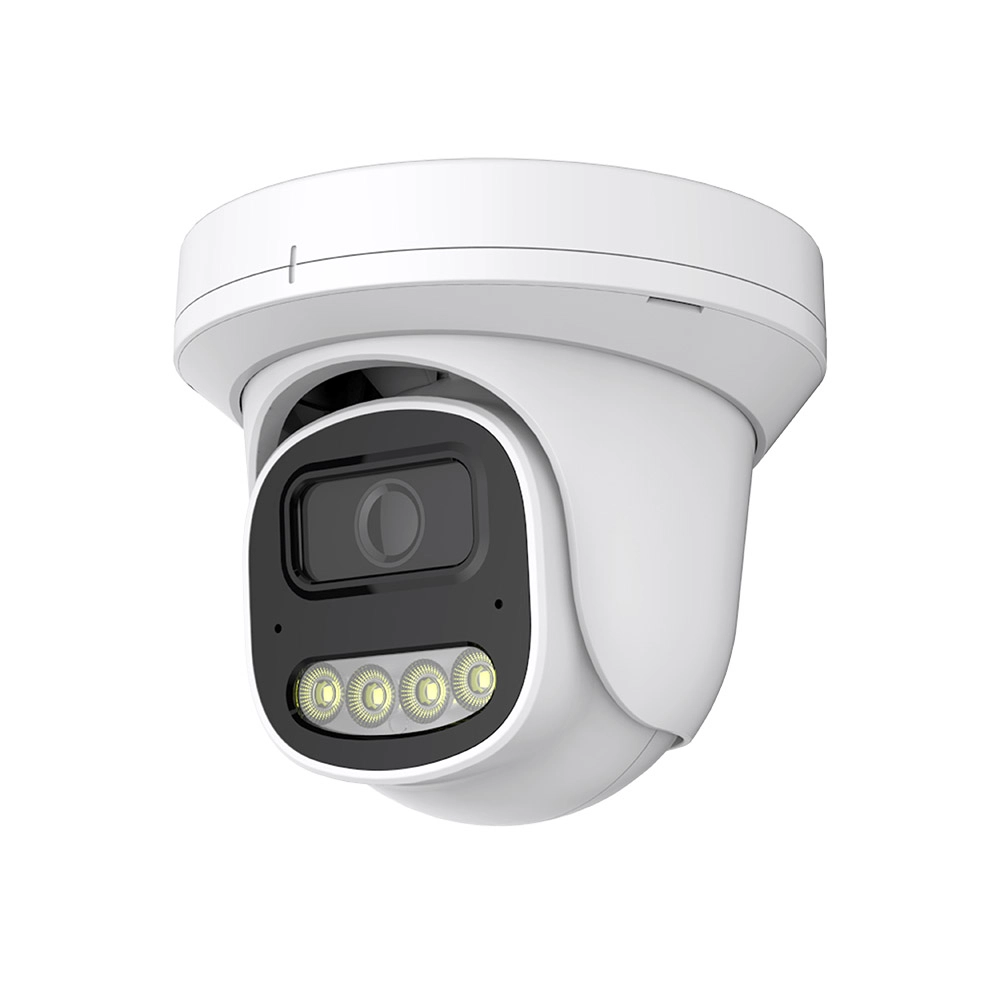
The Innotronik IP Camera-IN-D061-IP400G delivers high-resolution security camera IP performance. Designed for reliable surveillance, it ensures clear video quality and smart monitoring. Ideal for business and home security solutions, enhancing safety with advanced IP technology.
✦ 4MP HD Clarity: Captures sharp 4MP video with flexible streaming options and efficient H.264/H.265 compression.
✦ Dual Night Vision: Switches between color and infrared modes for clear viewing in low light.
✦ Smart AI Detection: Detects humans/vehicles and triggers customizable voice alerts & alarms.
✦ Two-Way Audio: Built-in mic & speaker for real-time communication.
✦ PoE Powered: Single Ethernet cable for power and data, with waterproof, lightning-protected design.
✦ Remote Access: View live footage via mobile app or desktop client; supports multiple users.
✦ Rugged Performance: Operates reliably in temperatures from -30°C to +80°C.
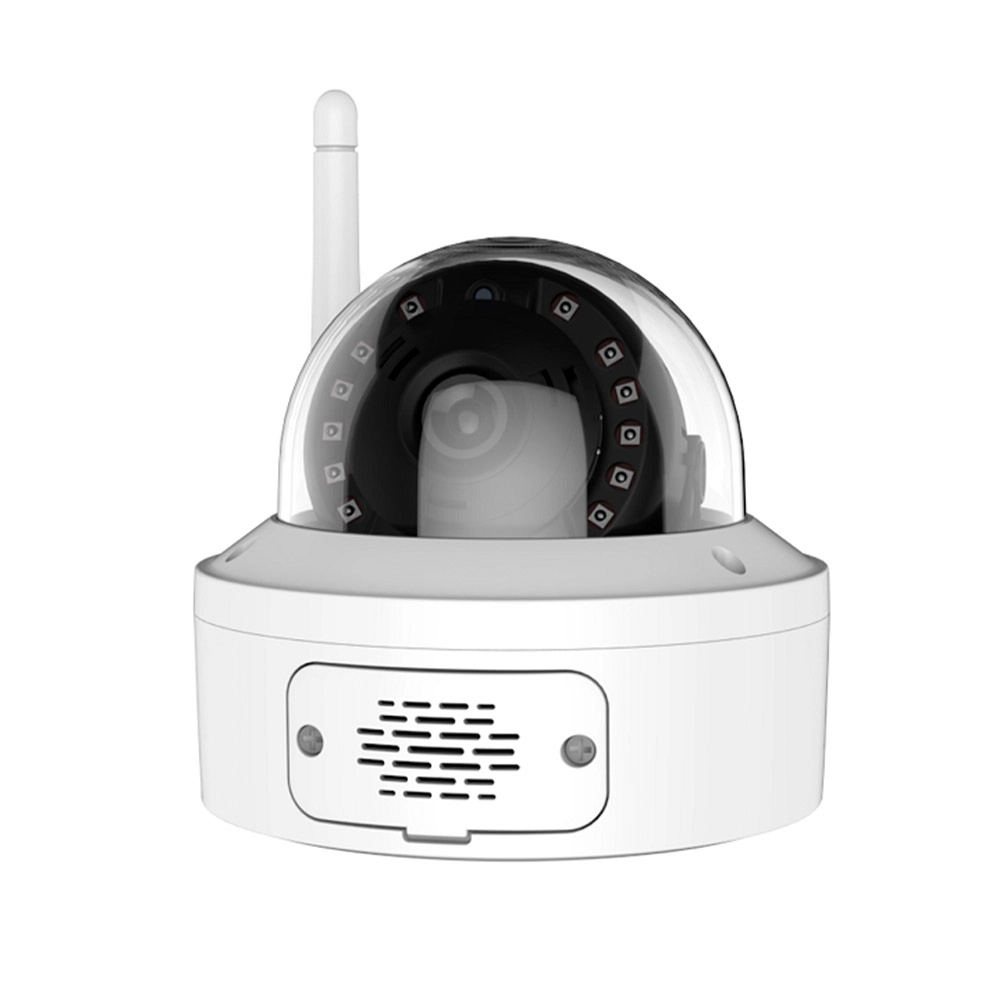
Innotronik’s Wifi Camera Indoor-ITY-B3(4MP) delivers clear 4MP video for reliable indoor Wi-Fi security cameras. Easy to install, it ensures seamless monitoring with real-time alerts. Protect your home or office with this smart, high-performance security solution.
✦ 4MP Ultra-HD: 2560*1440 resolution for exceptional image clarity.
✦ Dual-Band WiFi: 2.4G/5G and Bluetooth for fast, stable connectivity.
✦ Tuya Smart App: Seamless remote control and real-time monitoring.
✦ Smart AI Alerts: Human and motion detection with instant mobile push.
✦ Two-Way Audio: Built-in mic and speaker for easy remote communication.
✦ IR Night Vision: 12 infrared LEDs for clear imaging in total darkness.
✦ Flexible Storage: Supports 128GB MicroSD, Cloud, and ONVIF protocol.
✦ Extreme Durability: Reliable performance from -30°C to +60°C.
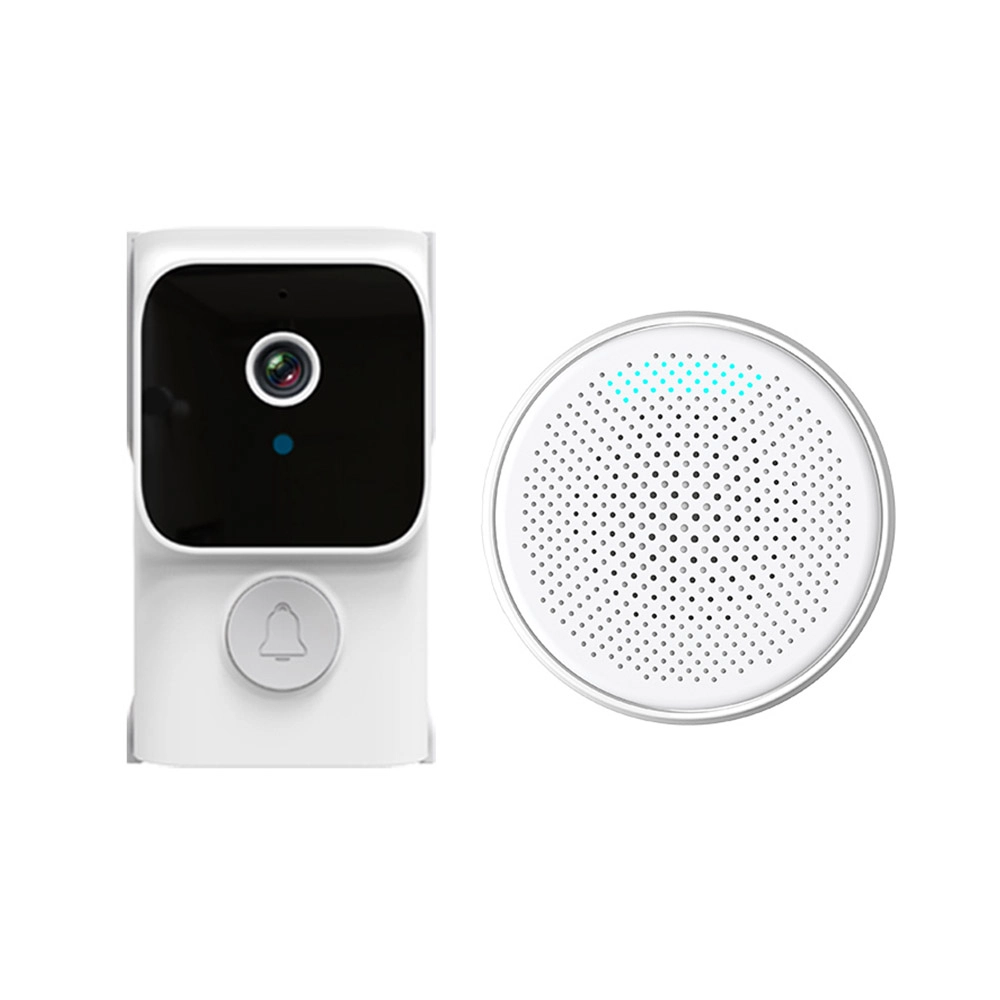
Innotronik’s Video Doorbell Camera ITY-RB8-30W pixel features a rechargeable battery security camera for seamless, cordless monitoring. Enhance your home security with clear video, easy installation, and reliable performance—perfect for smart, modern protection.
-
✦ Security camera with rechargeable battery for flexible, wireless installation
-
✦ 480P 30W pixel with 75° viewing angle
-
✦ Day and night mode automatic switching to ensure a crystal-clear view
-
✦ Built-in microphone and speaker with high-quality real-time two-way audio and noise cancellation
-
✦ IP55 waterproof design to ensure non-stop operation in various weather conditions
-
✦ Monitor your home remotely via a 2.4G WiFi connection
-
✦ Instant phone notification when someone rings the doorbell
-
✦ Supports cloud storage
-
✦ Wireless door chime rings to alert you when the doorbell is pressed
-
✦ Tuya Smart App, compatible with iOS and Android smartphones
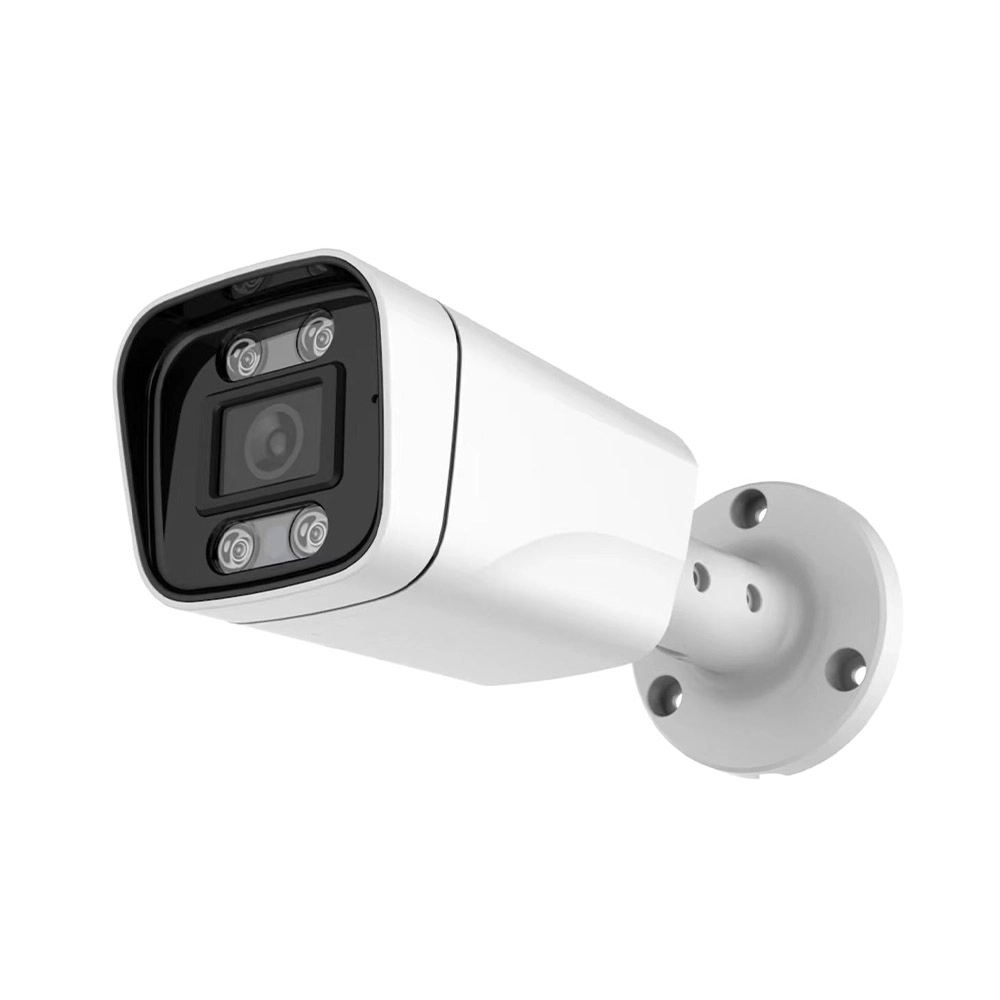
The Innotronik IP Camera-IN-W022-IP400G 4MP delivers high-resolution 4MP video with reliable PoE power support. Ideal for secure surveillance, this IP camera offers easy installation and stable network connectivity, enhancing your monitoring system with advanced IP camera PoE technology.
✦ 4MP Ultra-HD: 2560*1440 resolution with H.265 for superior clarity.
✦ AI Human Detection: Supports polygonal defense areas and custom voice alerts.
✦ Smart Alarm Linkage: Features light/sound alarms and instant mobile push.
✦ Standard PoE: Integrated RJ-45 for stable power and data transmission.
✦ Image Enhancement: Supports 3D NR and D-WDR for clear professional video.
✦ ONVIF Compatible: Easy integration with NVRs via multiple network protocols.
✦ Remote Access: Monitor via the P6slite app or the EasyVMS Windows client.
✦ Wide Temp Range: Durable performance in environments from -30°C to +80°C.

Get a Free Quote
Let's Talk.
Reach out to discuss OEM & ODM options, request a quote, or start your project with our expert team.



Aelen Tran
Innotronik Manager
Leave a message
Contact us


First Floor 99-1 Donghuan Road, Zhucun Tianhe District Guangzhou City Guangdong Province
© 2026 Innotronik. All Rights Reserved.