How to evaluate solar panel capacity for a 4G security camera?
- 1) How do I calculate the solar panel wattage needed for a 4G solar-powered 360 security camera in a low-sun winter location?
- 2) What battery capacity (Ah/Wh) should I choose to keep a 4G 360 camera online for 3 cloudy days with real-world power spikes?
- 3) How do I estimate 4G SIM data usage for a H.265 360° camera with motion-triggered uploads and choose the right data plan?
- 4) Which charge controller and power management should I choose to maximize runtime and battery life for a solar 4G security camera?
- 5) How should I size panels and batteries when mounting a 360 solar security camera where temperatures drop below -10°C and battery capacity degrades?
- 6) How can I test and validate my solar/battery calculations on-site to ensure a reliable 4G solar security camera deployment?
Deploying an off-grid 4G solar security camera — especially a power-hungry 360 security camera with continuous or frequent streaming — requires accurate solar panel and battery sizing, realistic cellular data planning, and robust power management. Below are six specific, beginner-focused long-tail questions that commonly lack up-to-date, practical answers online, followed by in-depth, calculation-backed guidance. Semantic keywords such as solar-powered 4G camera, cellular security camera, solar panel wattage, battery capacity, MPPT charge controller, and SIM data usage are used naturally throughout.
1) How do I calculate the solar panel wattage needed for a 4G solar-powered 360 security camera in a low-sun winter location?
Why this matters: Many installation guides quote a single panel wattage (e.g., 20W panel) without accounting for location-specific irradiance, inefficiencies, and the camera's cellular-power spikes. That results in dead batteries or poor uptime in winter.
Step-by-step method (use real data for your site):
- Estimate the camera’s average power draw (Watts). Typical ranges for 4G 360 security cameras: idle/low-power (motion only uploads) 2–4 W; intermittent streaming 4–8 W; continuous streaming with 360 stitching and 4G uplink 8–12 W. Use the camera datasheet for exact numbers. Example: assume 8 W average for a 360 camera with frequent streaming.
- Daily energy demand (Wh/day) = average power (W) × 24. Example: 8 W × 24 = 192 Wh/day.
- Decide required autonomy days (days of operation without sun). For winter planning use 3–5 days (conservative). Example pick 3 days → backup energy = 192 Wh × 3 = 576 Wh.
- Choose battery chemistry and usable depth-of-discharge (DOD). LiFePO4 common for off-grid security: usable DOD 80–90%. Lead-acid lead to DOD 50%. Example use LiFePO4 with 85% usable → required battery capacity (Wh) = 576 / 0.85 = 677 Wh. Convert to Ah for system voltage: for 12 V ≈ 677 / 12 ≈ 56.4 Ah → choose a 12 V 60 Ah LiFePO4 (≈720 Wh) minimum.
- Find average peak sun hours (PSH) for the worst month. Use local solar insolation data (NREL or local meteorological service). Winter PSH examples: northern Europe/Canada ~1.5–2.5 kWh/m²/day; temperate zones 2.5–3.5; sunny areas 4–6. For low-sun winter use 2.0 PSH as conservative.
- System efficiency derates: account for wiring, charge controller, panel soiling, temperature, and battery charging inefficiency. Use 0.70–0.80 overall. MPPT controllers typically improve low-light yield; assume 0.78 if using MPPT.
- Solar energy required per day to replenish consumption and recharge autonomy: daily need = 192 Wh/day. Required panel wattage = daily need / (PSH × system_efficiency). Example: 192 / (2.0 × 0.78) ≈ 123 W. Round up and add margin — choose a 150 W solar panel in this scenario.
Key caveats and tips:
- If you expect continuous streaming spikes or frequent modem reconnections, increase average power assumption by 20–30%.
- MPPT charge controllers can yield 10–30% more energy vs PWM in low-light or when panel voltage is higher — beneficial in winter.
- Always confirm panel orientation and shading; even small shade on a 360 camera mount can reduce output substantially.
2) What battery capacity (Ah/Wh) should I choose to keep a 4G 360 camera online for 3 cloudy days with real-world power spikes?
Why this matters: Beginners often calculate battery size from average power only and overlook cellular reconnection spikes, temperature losses, and battery ageing.
Complete sizing with spikes and temperature derating:
- Start with average daily Wh as in question 1. Example: 192 Wh/day.
- Add a spike allowance for 4G modem reconnections and occasional continuous uploads. Assume reconnection/event overhead of 10–30 Wh/day depending on frequency. Example: +30 Wh/day → 222 Wh/day.
- Autonomy days: 3 days → 666 Wh required.
- Temperature derating: batteries lose capacity at low temps. Typical Li-ion/LiFePO4 lose ~10–20% capacity at 0°C and more below freezing; lead-acid can lose 20–40%. Use conservative 20% derate for winter → adjusted requirement = 666 / (1 - 0.20) ≈ 833 Wh.
- DOD and ageing margin: choose DOD 80% and ageing reserve of 10%. Effective usable = 0.80 × (1 - 0.10) = 0.72. Required battery Wh = 833 / 0.72 ≈ 1,157 Wh.
- Convert to Ah for system voltage. For 12 V: 1,157 / 12 ≈ 96 Ah. Choose a 12 V 100 Ah LiFePO4 (≈1,280 Wh) to meet requirements and leave headroom.
Practical recommendations:
- Prefer LiFePO4 for winter deployments: better cycle life, higher usable DOD, and less capacity loss vs lead-acid.
- Place battery in a thermally insulated enclosure or use low-power heaters controlled by thermostat to reduce cold-capacity loss (heater draws additional energy — include in calculations).
3) How do I estimate 4G SIM data usage for a H.265 360° camera with motion-triggered uploads and choose the right data plan?
Why this matters: Misestimating SIM data can lead to unexpectedly high monthly costs for cellular security cameras. Many resources quote single-frame sizes or continuous streaming but not practical event-driven load for a 360 camera with adaptive bitrate.
Key variables that determine data usage:
- Video codec and bitrate (H.264 vs H.265 — H.265 reduces bitrate ~30–50% for same quality).
- Resolution and frame rate (360° stitched 1080p vs multi-sensor aggregated streams).
- Recording mode: continuous vs motion-triggered vs scheduled.
- Upload method: continuous live stream, event clips (e.g., 30s per event), or stills/snapshots.
Estimation steps (example conservative scenario):
- Choose bitrate ranges for H.265: 720p motion-optimized: 400–800 kbps; 1080p event/stream: 800–1500 kbps; high-quality 360 stitched might average 1500–2500 kbps if continuous. If using multi-sensor stitching, treat aggregated bitrates accordingly.
- For motion-triggered uploads, estimate number of events per day and clip length. Example: 30 events/day, 30 seconds each, average bitrate 1,000 kbps (1 Mbps).
- Daily data = bitrate (Mbps) × total seconds of footage / 8 (convert to MB). Example: 1 Mbps × (30 × 30) s = 900 Mb/day → 112.5 MB/day ≈ 3.4 GB/month. If the camera also uploads daily status images or occasional continuous remote views, add that (e.g., another 1–5 GB/month).
- Include overhead for retransmissions or higher bitrate during poor 4G conditions — add 20% margin → plan ~4–5 GB/mo in this example.
Continuous streaming scenario example:
- 1080p continuous at 1.5 Mbps → 1.5 Mbps × 3600 × 24 / 8 ≈ 16.2 GB/day → impractical on cellular unless you have an unlimited plan. Use event-based recording, edge-storage, or lower bitrates.
Recommendations:
- Prefer H.265 and motion-triggered clips to minimize cellular SIM data usage.
- Use local SD or NAS recording as a primary archive and only upload events or alerts to cloud to reduce bandwidth.
- Select a cellular plan with rollover data or an M2M/IoT plan if using infrequent but possibly high spikes. Consider LTE Cat-M1 or NB-IoT if camera supports them for low-bandwidth telemetry (but these may not support high bitrate video).
4) Which charge controller and power management should I choose to maximize runtime and battery life for a solar 4G security camera?
Why this matters: Many installs use basic PWM controllers by default. For 4G cameras and marginal sun conditions, using the right controller (and configuration) materially affects reliability.
MPPT vs PWM:
- MPPT (Maximum Power Point Tracking) is recommended for 4G solar camera systems because it can harvest 10–30% more energy from panels in low-light or cold conditions and supports higher voltage panels that reduce wiring loss. This gain is often decisive for winter reliability.
- PWM controllers are cheaper but less efficient, particularly when panel Vmp is significantly higher than battery voltage.
Other power management features to look for:
- Low-voltage disconnect (LVD) and programmable thresholds to prevent deep discharge and prolong battery life.
- Smart charging profiles optimized for LiFePO4 (if used) or lead-acid. Some MPPT controllers now include LiFePO4 charging curves and battery balancing support.
- Remote telemetry and alarms from the charge controller — helpful for Solar+4G systems so you can get health data over the cellular link.
- Surge protections and transient voltage suppression to protect the modem and camera from lightning or grid transients.
Suggested setup:
- MPPT charge controller sized for panel current (e.g., 10A MPPT for up to ~150 W panels on 12 V system). Use a model with LiFePO4 profile if using LiFePO4 batteries.
- Monitoring: charge controller with remote RS485/Modbus or cloud telemetry for visibility of panel, battery and load status via your 4G link.
- Optional power scheduling on the camera (night-time lower bitrate, motion-only periods) to reduce average draw during low-sun months.
5) How should I size panels and batteries when mounting a 360 solar security camera where temperatures drop below -10°C and battery capacity degrades?
Why this matters: Cold climates reduce battery capacity and charge acceptance. If you neglect temperature effects, the battery will not meet autonomy requirements and may be damaged.
Temperature and battery behavior:
- Lead-acid: capacity drops sharply at low temps (up to 40% loss below -10°C). Charging acceptance reduces and charging voltages must be higher (risk of undercharging in cold).
- LiFePO4: better cold performance but still suffers capacity loss (~10–20% around 0°C). LiFePO4 cells should not be charged below 0°C without a battery heating solution unless the BMS supports low-temperature charging protocols.
Design steps for cold sites:
- Increase battery capacity to cover temperature loss. Example: if you estimated 100 Ah at room temp, add 20–40% for cold climates → 120–140 Ah.
- Increase solar panel wattage to speed charging on sunny winter days. Example: increase calculated panel size by 25–50% vs temperate-site estimate. If earlier you needed 150 W, for a freezing site pick 200–250 W.
- Use insulated enclosures and locate battery in warmer micro-environments (not directly exposed to wind). Adding a low-power heater (thermostatically controlled) may preserve charging but include heater load in the energy budget.
- Choose LiFePO4 with built-in BMS and low-temp charge protection or select batteries rated for cold charging. Consult manufacturer datasheets for exact cold-charge limits.
Example conservative winter-sizing summary (based on earlier examples):
- Average camera demand: 8 W → 192 Wh/day.
- Designed autonomy: 3 days → base battery 576 Wh; add cold derate + ageing margin → pick 12 V 120 Ah LiFePO4 ≈ 1,440 Wh.
- Panel: increase from 150 W to 250 W to ensure recharge in short winter PSH.
6) How can I test and validate my solar/battery calculations on-site to ensure a reliable 4G solar security camera deployment?
Why this matters: Theoretical calculations are necessary but on-site validation prevents surprises from shading, mounting angle, local microclimates, or unexpected modem behavior.
On-site validation checklist and procedures:
- Install monitoring: fit a charge controller or data logger that records panel voltage/current, battery voltage/state-of-charge (SoC), load current, and temperature. Many MPPTs offer telemetry output.
- Baseline sleep/idle current test: with camera in normal operational mode (motion alerts enabled, cellular connected) log the average power draw over 24–72 hours. This gives real average W rather than datasheet estimates.
- Event/load test: simulate typical event scenarios (motion, remote live view) and measure energy per event (Wh). Repeat to capture modem reconnection spikes.
- Solar production logging: collect panel energy production data for at least 7–14 days that include varied weather to validate PSH and seasonal behavior. Compare measured daily Wh to the theoretical production used in sizing.
- Autonomy test: with a fully charged battery, disconnect the panel and operate on battery only until the planned LVD threshold to verify runtime ≈ planned autonomy days. This is the most definitive test but must be timed to avoid leaving the site unprotected longer than acceptable.
- Stress test in winter: if possible pre-check in the worst expected month, or add margin based on local historical insolation (use local meteorological data or NREL CAMS for US/Canada, national meteorological services in other countries).
Post-deployment operations:
- Enable remote alarms for low battery, charge controller faults, or reduced panel output.
- Schedule quarterly inspections for panel soiling, loose connections, and battery health (unless remote telemetry is comprehensive).
Final practical tips across all questions:
- Use edge recording (SD/NAS) as primary storage and only upload event clips to minimize SIM data and reduce continuous power draw from 4G streaming.
- Prefer 4G LTE Cat4 modules for reliable bandwidth; consider Cat-M1/NB-IoT only for very low-bandwidth camera telemetry (not full video).
- When choosing a 360 security camera, compare camera power profiles under realistic modes (night IR, motion vs continuous) — manufacturers often list peak and idle but not average in real conditions; ask vendors for measured consumption logs.
- Plan for a 20–40% safety margin in both battery and panel sizing for long-term reliability and to account for panel soiling, system ageing and unexpected increases in data/camera usage.
Sources and authority: Sizing methods above follow standard off-grid solar engineering practice—using peak sun hours (PSH) and system derating—and battery behaviour data consistent with battery manufacturer datasheets and NREL guidance on solar insolation. For site-specific irradiance, consult your national meteorological service or the NREL PVWatts / solar insolation data for accurate PSH values.
If you'd like an innotronik-verified bill of materials or a site-specific calculation, contact us for a quote.
Conclusion — advantages of a properly sized 4G solar 360 security camera system
When sized and configured correctly, a solar-powered 4G 360 security camera provides reliable, off-grid surveillance with panoramic coverage, reduced infrastructure cost (no trenching or mains), and flexible remote monitoring. Using appropriate solar panel wattage, a correctly specified battery capacity, an MPPT charge controller, and an optimized data strategy (H.265, event-based uploads, and edge storage) minimizes downtime, controls SIM data costs, and extends battery life—delivering a resilient off-grid surveillance solution suitable for construction sites, remote farms, border security, and temporary deployment.
Contact www.innotronik.com or email info@innotronik.com for a tailored quote and site-specific design.
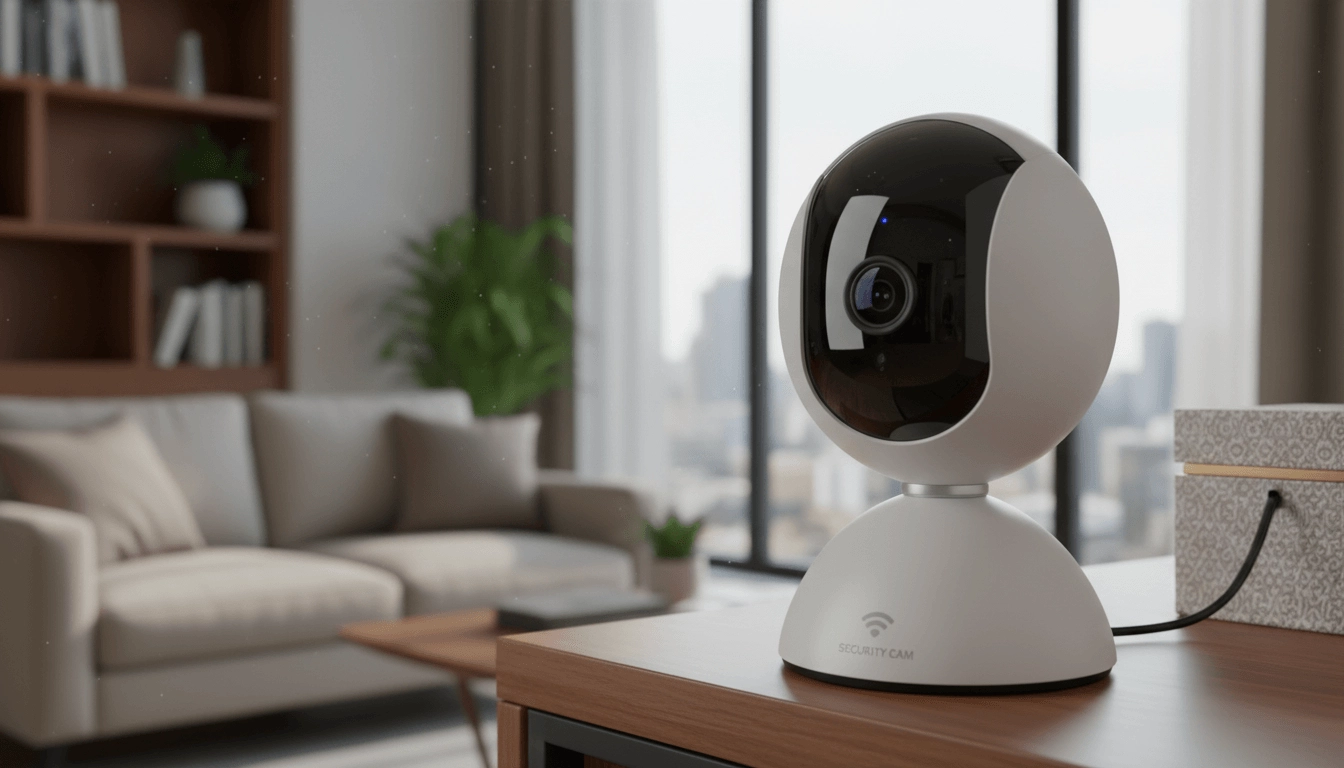
Top 10 Best Smart Indoor Camera Manufacturers in China 2026
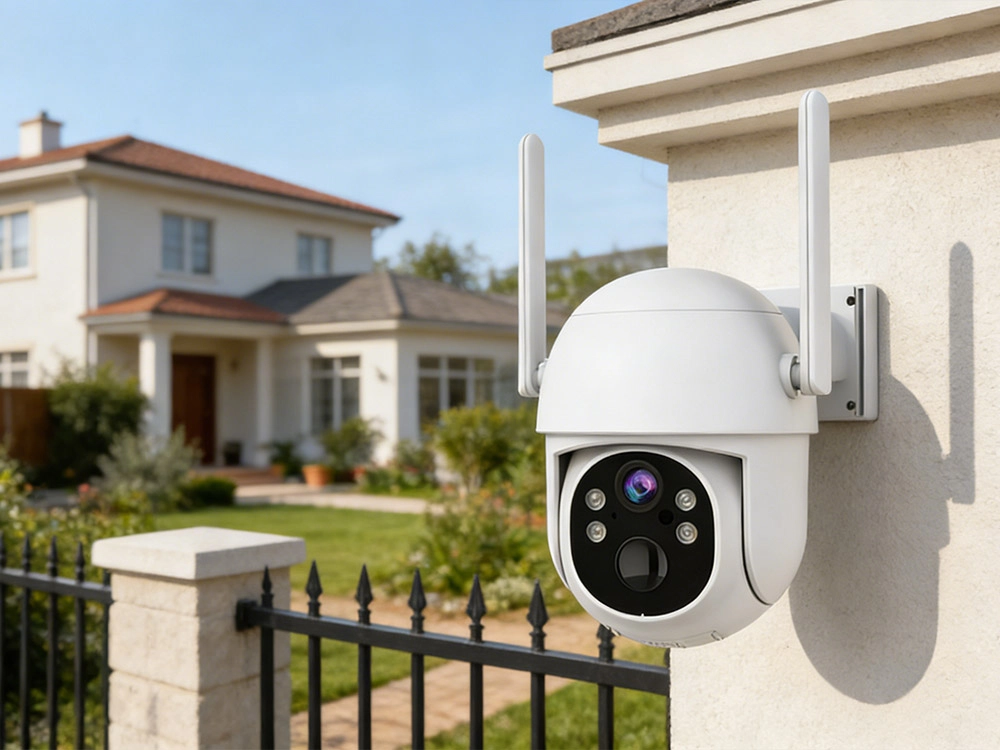
Wireless Camera vs Wi‑Fi Camera: Key Differences and How to Choose
FAQs
Who are Innotronik's typical customers?
Where is Innotronik located and do you serve global markets?
Does Innotronik have research and development capabilities?
How long has Innotronik been in the security camera industry?
What production facilities and quality systems does Innotronik have?
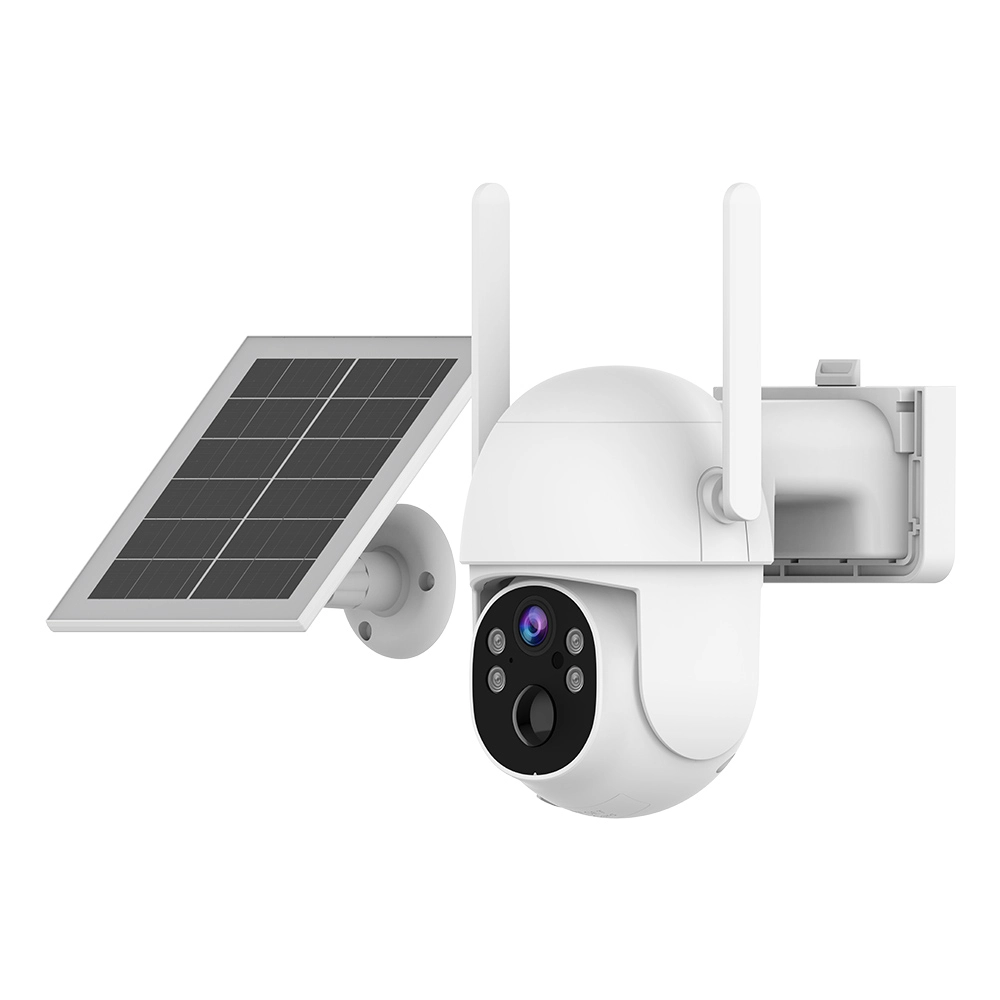
Experience unmatched security with Innotronik’s V-SIM Solar Camera-ITY-PT51-4MP. This 4G solar security camera offers seamless remote monitoring, easy installation, and eco-friendly power, ensuring reliable surveillance anywhere with crystal-clear 4MP video quality.
✦ 0-10m 120° PIR long-range standby trigger for faster startup
✦ 6000 mAh battery with 1-month standby (30 times/day)
✦ Automatic full-color alarm recording
✦ 4MP true pixels and a high-resolution lens for premium imaging
✦ 15m dual-light night vision for clear vision, even in the dark
✦ Supports human motion detection and accurate app alarm push
✦ Two-way real-time voice intercom for communication anytime, anywhere
✦ 128GB TF card storage for recording even without an internet connection; cloud storage for more secure recordings
✦ IP65 waterproof and dustproof for wind and rain resistance
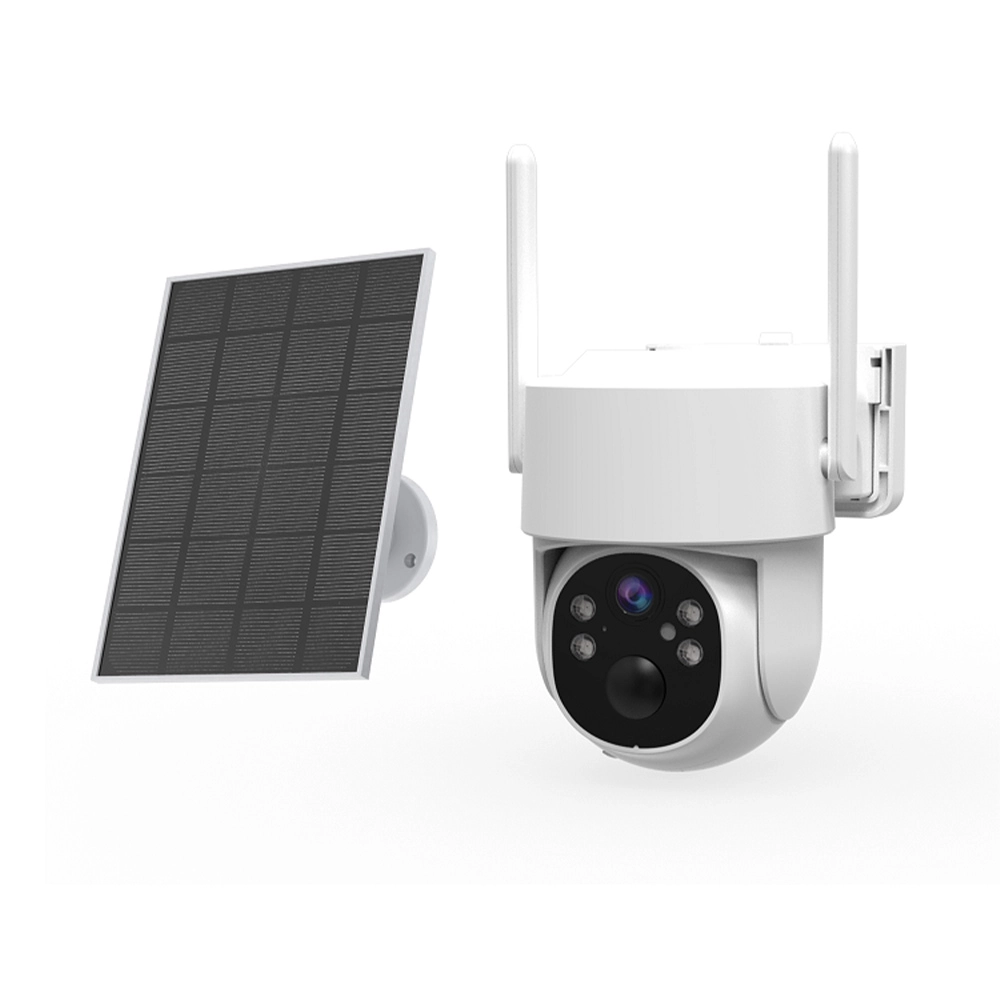
Experience seamless security with the Innotronik Wifi Solar Camera-ITY-PT31 (4MP). This solar-powered wifi camera delivers crystal-clear 4MP video, easy wireless setup, and eco-friendly operation. Perfect for outdoor monitoring with reliable, solar-powered wifi connectivity.
✦ 0-10 meters and 120-degree PIR angle and long-distance standby trigger, boots faster
✦ 7800 mAH battery and standby about 1 month (30 times/day)
✦ Automatic full-color alarm recording
✦ 4-megapixel real pixels, high-penetration lens, high-quality imaging
✦ 15 meters dual-light night vision
✦ Support human motion detection, accurate APP alarm push
✦ Two-way voice real-time intercom, anytime and anywhere to communicate
✦ 128G TF card storage without network, cloud storage video with more secure
✦ IP65 waterproof, dustproof, wind and rain fearless
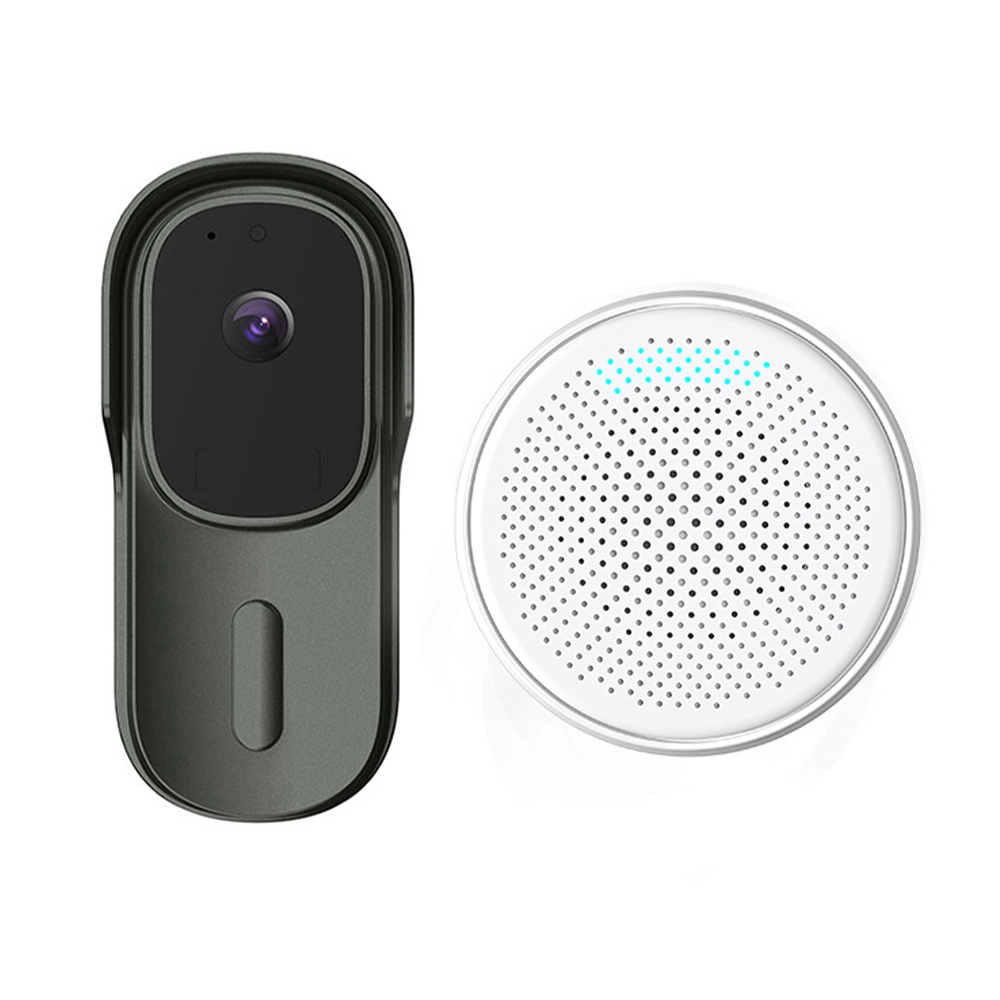
The Innotronik Video Doorbell Camera-ITY-RB11-5MP offers 5MP clarity with a rechargeable battery for seamless security. This advanced security camera with a rechargeable battery ensures reliable, high-definition monitoring, enhancing your home’s safety with smart, wireless convenience.
-
✦ Powered by rechargeable battery
✦ 480P 30W pixel with 120° viewing angle
✦ Day and Night mode automatic switching to ensure a crystal view
✦ Built-in microphone and speaker, High-quality real-time clear Two-Way Audio with noise cancellation
✦ IP65 Waterproof design to ensure non-stop operation in weather conditions
✦ Monitor your home from anywhere with a 2.4G WiFi connection
✦ A notification will be sent to your phone if someone rings the doorbell
✦ Support Cloud Storage and Local Micro SD card Storage (max. 32G)
✦ The wireless door chime will ring to alert you when doorbell is rung
✦ Tuya Smart APP, compatible with IOS and Android smartphone
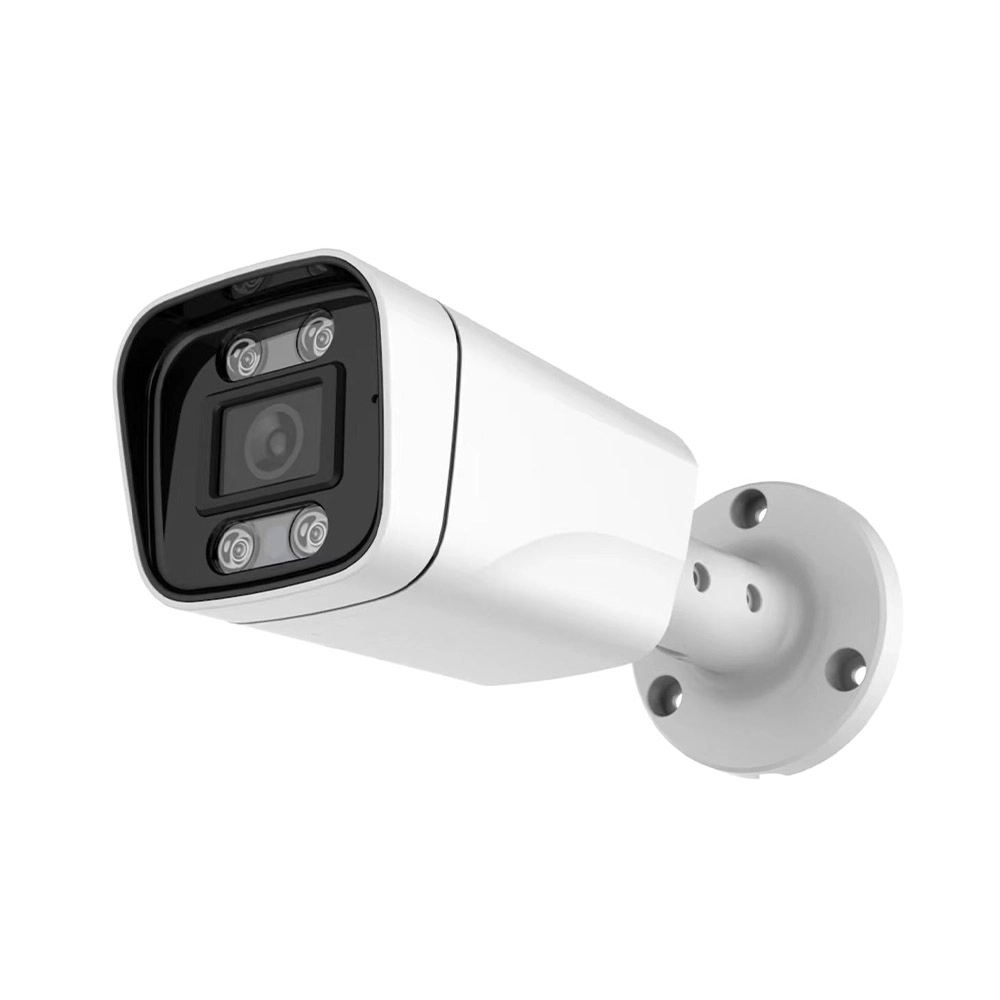
The Innotronik IP Camera-IN-W022-IP400G 4MP delivers high-resolution 4MP video with reliable PoE power support. Ideal for secure surveillance, this IP camera offers easy installation and stable network connectivity, enhancing your monitoring system with advanced IP camera PoE technology.
✦ 4MP Ultra-HD: 2560*1440 resolution with H.265 for superior clarity.
✦ AI Human Detection: Supports polygonal defense areas and custom voice alerts.
✦ Smart Alarm Linkage: Features light/sound alarms and instant mobile push.
✦ Standard PoE: Integrated RJ-45 for stable power and data transmission.
✦ Image Enhancement: Supports 3D NR and D-WDR for clear professional video.
✦ ONVIF Compatible: Easy integration with NVRs via multiple network protocols.
✦ Remote Access: Monitor via the P6slite app or the EasyVMS Windows client.
✦ Wide Temp Range: Durable performance in environments from -30°C to +80°C.

Get a Free Quote
Let's Talk.
Reach out to discuss OEM & ODM options, request a quote, or start your project with our expert team.



Aelen Tran
Innotronik Manager
Leave a message
Contact us


First Floor, 99-1 Donghuan Road, Zhucun, Tianhe District, Guangzhou City, Guangdong Province, China.
© 2026 Innotronik. All Rights Reserved.