How to choose the best 4G solar security camera for procurement?
- 1) How do I size the solar panel and battery for a 4G solar security camera at a shaded/low-sun site?
- 2) How can I ensure reliable 4G/LTE connectivity in marginal-signal locations (what tests and hardware do I need)?
- 3) For a 360° solar-powered camera, what specs determine low-light and night accuracy (minimizing false alarms)?
- 4) How do I control 4G data costs for continuous vs event-based recording—what are realistic data budgets?
- 5) Which battery chemistry and maintenance specs should I demand for multi-year off-grid reliability?
- 6) What should a professional procurement checklist include to avoid vendor/field problems (certs, firmware, integration, warranty)?
- Concluding summary: advantages of 4G solar security cameras for 360° surveillance procurement
How to Choose the Best 4G Solar Security Camera for Procurement
Summary: A practical procurement guide for 4G solar security cameras and 360° surveillance: panel and battery sizing examples, LTE connectivity checks, antenna and band strategies, data budgeting with H.265, LiFePO4 battery best practices, and an actionable procurement checklist.
1) How do I size the solar panel and battery for a 4G solar security camera at a shaded/low-sun site?
Pain point: Many spec sheets list a camera’s “average power” but don’t show how to convert that into panel watts and battery amp-hours for real-world, low-sun locations.
Step-by-step sizing method (industry-practice approach):
- Measure or estimate camera energy use in Wh/day. Use realistic duty cycles: standby, motion-triggered streaming, spotlight/IR on. If the vendor only lists mA at 12V, convert: W = (mA/1000)*12V.
- Example (conservative, real-world): a 360° LTE camera with H.265 and event-based streaming: standby 3W, active streaming 6W. If typical day has 22 hours standby and 2 hours streaming: energy = 22*3 + 2*6 = 78 Wh/day.
- Choose site Peak Sun Hours (PSH). Many temperate sites average 3–5 PSH/day; arid sites 6–7. Use local solar maps or PVWatts to get PSH. For low-sun sites use PSH = 3–3.5.
- Panel sizing: Panel minimum (W) = Daily Wh / PSH. Add derating (panel orientation, dust, wiring, charge inefficiency). Use a safety factor 1.25–1.6. Example: 78 Wh / 4 PSH = 19.5 W; with 1.4 derating -> 27.3 W. Choose a commercially available panel: 40 W or 50 W for headroom and winter months.
- Battery sizing: Decide days of autonomy (recommended 3 days for remote sites). Required Wh = Daily Wh * autonomy. Example: 78 Wh * 3 = 234 Wh. Convert to Ah for a 12.8 V LiFePO4 bank: Ah = Wh / 12.8 -> 18.3 Ah. For longevity, do not exceed recommended Depth of Discharge (DoD). For LiFePO4 you can use ~80% DoD, so choose a 24–30 Ah pack; for lead-acid you would need much higher capacity because usable DoD is lower.
- Use MPPT charge controllers for better harvest in low-light and cold conditions—MPPT yields 15–30% more charging vs PWM in real deployments.
Quick procurement rule: for most single-camera 4G solar kits at moderate-latitude sites, specify a 40–50 W solar panel + 12.8 V 30 Ah LiFePO4 battery + MPPT controller as a baseline. Adjust upward for heavy spotlight use, continuous streaming, or multi-sensor 360 rigs.
2) How can I ensure reliable 4G/LTE connectivity in marginal-signal locations (what tests and hardware do I need)?
Pain point: Cameras go online in the lab but drop out in the field because of weak cellular signal, wrong bands, or poor antennas.
Checklist to guarantee field connectivity:
- Survey local carrier coverage and supported bands. 4G LTE uses multiple bands; devices may support a subset. Match camera LTE band list to carrier band occupancy in your country/region. Where 3G has been sunset, ensure the device is LTE-only and not dependent on 3G fallback.
- Use a site signal test: a temporary USB/LTE modem + same SIM/data profile in the exact mounting location. Measure RSSI/RSRP and throughput at the actual mounting height and direction. RSRP > -100 dBm is usually good; -100 to -110 dBm is marginal but workable with external high-gain antennas.
- Prefer cameras with external antenna SMA/TS9 connectors and MIMO antennas. Specify directional or high-gain omni antennas (gain in dBi) and an external antenna mount if signals are weak. For very marginal sites, a roof-mounted directional antenna plus coax runs to the camera often resolves connectivity issues.
- Choose multi-carrier or eSIM models where possible. Multi-SIM or eSIM capability allows remote band/carrier switch or roaming if primary carrier loses coverage. Also ask for band-lock and manual APN setting capability for procurement contracts.
- Look for LTE category info: LTE Cat 1 or Cat 4 modules are common. Cat 4 (up to 150 Mbps DL) can improve throughput for high-resolution 360 video if available; Cat 1 or NB-IoT are low-power but lower throughput.
Procurement NOTE: Include a site acceptance test clause requiring the vendor to supply a temporary test unit and verify sustained cellular uptime (>99%) over a 72-hour window at the actual mounting height and orientation.
3) For a 360° solar-powered camera, what specs determine low-light and night accuracy (minimizing false alarms)?
Pain point: Buyers assume a high-megapixel 360 camera equals excellent night performance. In practice, sensor size, compression, optics, illumination, and AI all matter.
Key technical criteria:
- Sensor size and pixel pitch: larger sensors and larger pixel pitch collect more light and perform better in low lux. When evaluating, prefer larger sensor formats (e.g., 1/2.8 over 1/3) for night scenes.
- Lens aperture: lower f-number (wider aperture) improves night sensitivity. For 360 cameras with multiple sensors, ensure each module has comparable low-light specs.
- IR vs white-light: IR gives covert illumination but poor color at night. White-LEDs allow color night images and better AI detection but consume more power. Balance illumination strategy with solar budget—spotlight-on-demand during verified events is a good compromise.
- Compression and bitrate: Use H.265 (HEVC) for lower bandwidth at equivalent image quality—this matters for 4G data caps. H.265 typically reduces bitrate ~40–60% vs H.264 for the same perceived quality. Lower bitrates can harm low-light detail; test real scenes to set acceptable quality thresholds.
- Edge AI & false-alarm reduction: On-camera analytics (human/vehicle classification, line-crossing, loitering detection) greatly reduce cloud upload and needless spotlight/recording events. Verify detection accuracy in vendor test footage under your site lighting conditions.
- Firmware and dewarping: For single-fisheye 360 cameras, check the quality and CPU overhead of dewarping algorithms. Poor dewarp can distort edges and reduce AI accuracy.
Procurement test recommendation: request vendor sample footage at the intended mounting height and scene types (road, trees, water reflections, headlights) during day and night. Require a false alarm rate threshold in the contract (e.g., <5% in a controlled 72-hour test).
4) How do I control 4G data costs for continuous vs event-based recording—what are realistic data budgets?
Pain point: Operators are surprised by data overages when streaming 4K or leaving cameras in continuous upload mode on LTE SIM plans.
Estimate data using bitrate and duty cycle:
- Bitrate depends on resolution, frame rate, scene complexity, and codec. Typical ranges with H.265: 1080p/15–20fps event clip ≈ 200–800 kbps average; 4K/15fps ≈ 1.5–3 Mbps depending on motion. 360 dewarped streams may use similar or slightly higher bitrates depending on region-of-interest streams.
- Examples:
- Event-based: 30 30-second events/day at 500 kbps -> 0.5 Mbps * (30*30s=900s) = 450 Mb/day ≈ 56 MB/day (~1.7 GB/month).
- Continuous 1080p H.265 at 800 kbps -> 0.8 Mbps * 86,400 s/day ≈ 69,120 Mb/day ≈ 8.6 GB/day -> >250 GB/month.
- Strategy to control costs:
- Use event-based upload with local microSD circular buffer (64–256 GB) and cloud only for flagged clips.
- Set camera to stream low-bitrate thumbnails for continuous monitoring and upload full video only on events or when requested.
- Enable H.265 and set adaptive bitrate with lower FPS during idle times.
- Use edge AI to filter false triggers so only validated events consume data.
Procurement clause: require the vendor to supply realistic per-camera monthly throughput estimates for your selected resolution, codec, and event profile. Insist on a test report or simulated data-run matching your expected event frequency.
5) Which battery chemistry and maintenance specs should I demand for multi-year off-grid reliability?
Pain point: Buyers accept vague battery specs. Fielded systems fail in cold climates or degrade rapidly with poor battery selection and management.
Battery chemistry and procurement requirements:
- LiFePO4 (LFP) is the recommended chemistry for off-grid camera systems: longer cycle life (2000+ cycles at 80% DoD common), better thermal stability, and wider usable DoD than lead-acid. Nickel-based and SLA batteries degrade faster and are not optimal for multi-year deployments.
- Specify battery BMS (Battery Management System) features: cell balancing, over/under-voltage protection, over-current protection, temperature compensation, and a data/logging interface (SOC, cycles, voltage history) for remote health monitoring.
- Temperature derating: battery capacity and charging efficiency drop in cold temperatures. Require vendors to provide expected percent capacity at low temps (e.g., -10°C, 0°C) and recommend heating strategies (insulated enclosures or low-wattage heater controlled by thermostat) for very cold sites.
- Depth of Discharge and warranty: require stated DoD guidance and a warranty that guarantees a percentage of rated capacity after a set number of cycles (e.g., >70% capacity after 1000 cycles). Include an MTBF/warranty clause in procurement contracts.
- Maintenance and replacement: procure spare battery modules as part of initial purchase (or negotiate a spares pool) and insist on clear end-of-life replacement pricing and lead times.
6) What should a professional procurement checklist include to avoid vendor/field problems (certs, firmware, integration, warranty)?
Pain point: Contracts buy hardware but omit critical system-level requirements, leading to integration, security, or support nightmares.
Actionable procurement checklist (include as part of RFP):
- Certifications: CE/FCC for radio emissions; local carrier approvals; RoHS; IP rating (IP66/67 minimum for outdoor); IK rating for impact resistance if vandal risk exists.
- Connectivity: full LTE band list, MIMO support, external antenna connectors, eSIM/multi-SIM options, APN and band-lock configuration capability, and vendor-provided SIM/data plan support options if required.
- Security & software: ONVIF (Profile S/G) or RTSP support for VMS integration, AES encryption for cloud links, secure boot/firmware signing, regular OTA firmware update capability, and documented CVE patching policy. Ask for a published vulnerability disclosure process.
- Data management: local microSD capacity and wear-leveling specs, cloud retention options, and configurable upload strategies (event-only, continuous low-bitrate, thumbnails on demand). Request bandwidth usage benchmarks in vendor datasheets.
- Edge analytics: specify minimum detection/classification performance and request real-world test videos. Define acceptable false positive/negative rates and require sample detection logs from pilot runs.
- Power and environmental: operating temperature range, surge protection, solar kit components (panel make/model, MPPT controller model, cable lengths, connectors), required mounting hardware, and theft/vandalization mitigation options.
- Service, warranty, and SLA: minimum 2–5 year warranty for camera electronics and battery, replacement SLAs (next business day), firmware support period, remote diagnostics, and options for advanced replacement pools for high-availability sites.
- Supply chain & lead times: declare manufacturing location, lead time per quantity bands (1–50, 51–500, >500), minimum order quantities, and MPN/BOM freeze policy. For scale procurement, request audited factory and QA records.
- Testing & acceptance: include an on-site or staged acceptance test (72–168 hours) validating solar charging, battery autonomy, cellular uptime, AI false alarm rates, and VMS integration. Only accept after passing defined KPI thresholds.
Contract tip: Add performance-based acceptance criteria and holdback payments until pilot acceptance to ensure vendors deliver verified field performance rather than only lab numbers.
Concluding summary: advantages of 4G solar security cameras for 360° surveillance procurement
4G solar security cameras offer true off-grid deployment flexibility, rapid rollout without trenching or fiber, and scalable 360° coverage where wired power and network are impractical. When specified correctly—right solar/battery sizing, LTE band and antenna planning, H.265 and edge AI for data control, LiFePO4 batteries for longevity, and strict procurement clauses for certifications and acceptance testing—these systems deliver reliable, low-maintenance surveillance with predictable OPEX and strong ROI for remote sites.
We base sizing examples and connectivity guidance on industry standards (3GPP LTE band practices), commonly observed power draw ranges for solar surveillance systems, and field-proven solar design practices (peak sun hours, MPPT advantage). For site-specific calculations, pilot testing, or a procurement quote, contact us.
Contact for quote: visit tit3nhoq.gooeyun.com or email info@innotronik.com

Top 10 Best Smart Indoor Camera Manufacturers in China 2026
FAQs
Who are Innotronik's typical customers?
Does Innotronik have research and development capabilities?
What production facilities and quality systems does Innotronik have?
How long has Innotronik been in the security camera industry?
What is Innotronik's core business?
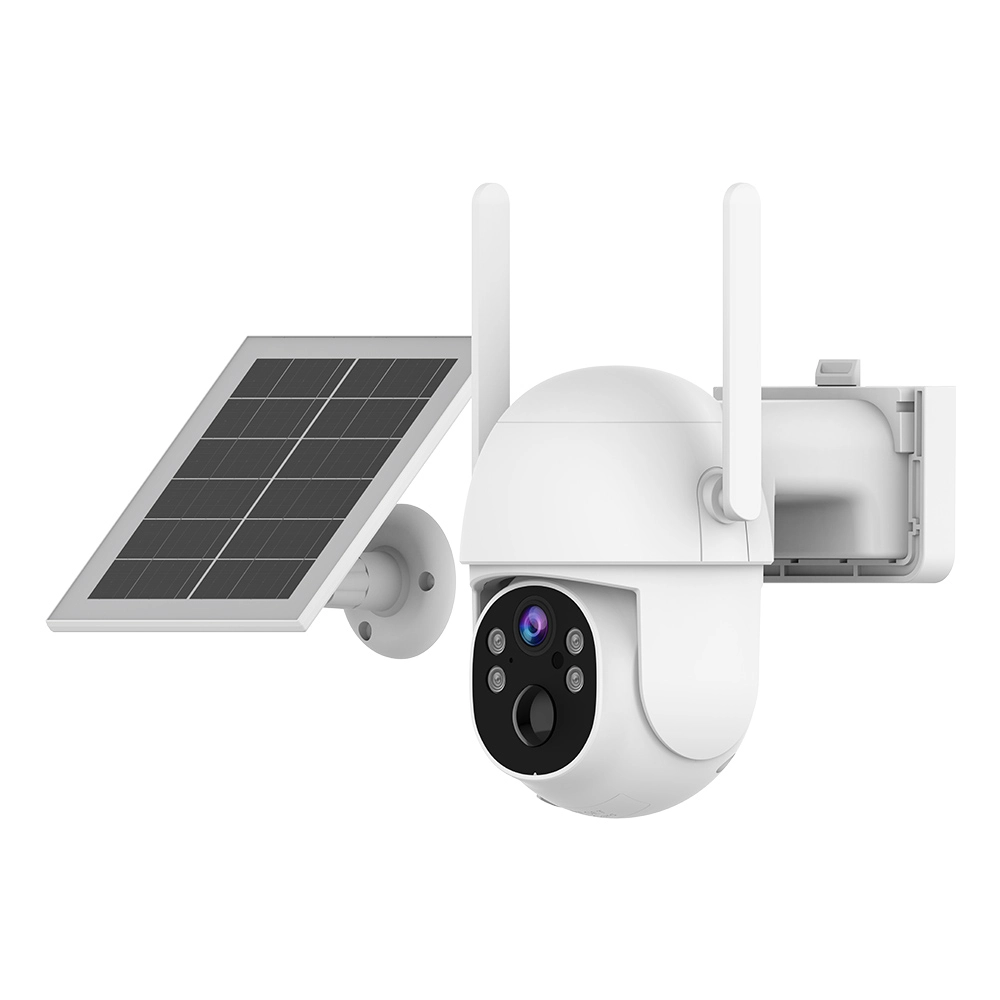
Experience unmatched security with Innotronik’s V-SIM Solar Camera-ITY-PT51-4MP. This 4G solar security camera offers seamless remote monitoring, easy installation, and eco-friendly power, ensuring reliable surveillance anywhere with crystal-clear 4MP video quality.
✦ 0-10m 120° PIR long-range standby trigger for faster startup
✦ 6000 mAh battery with 1-month standby (30 times/day)
✦ Automatic full-color alarm recording
✦ 4MP true pixels and a high-resolution lens for premium imaging
✦ 15m dual-light night vision for clear vision, even in the dark
✦ Supports human motion detection and accurate app alarm push
✦ Two-way real-time voice intercom for communication anytime, anywhere
✦ 128GB TF card storage for recording even without an internet connection; cloud storage for more secure recordings
✦ IP65 waterproof and dustproof for wind and rain resistance
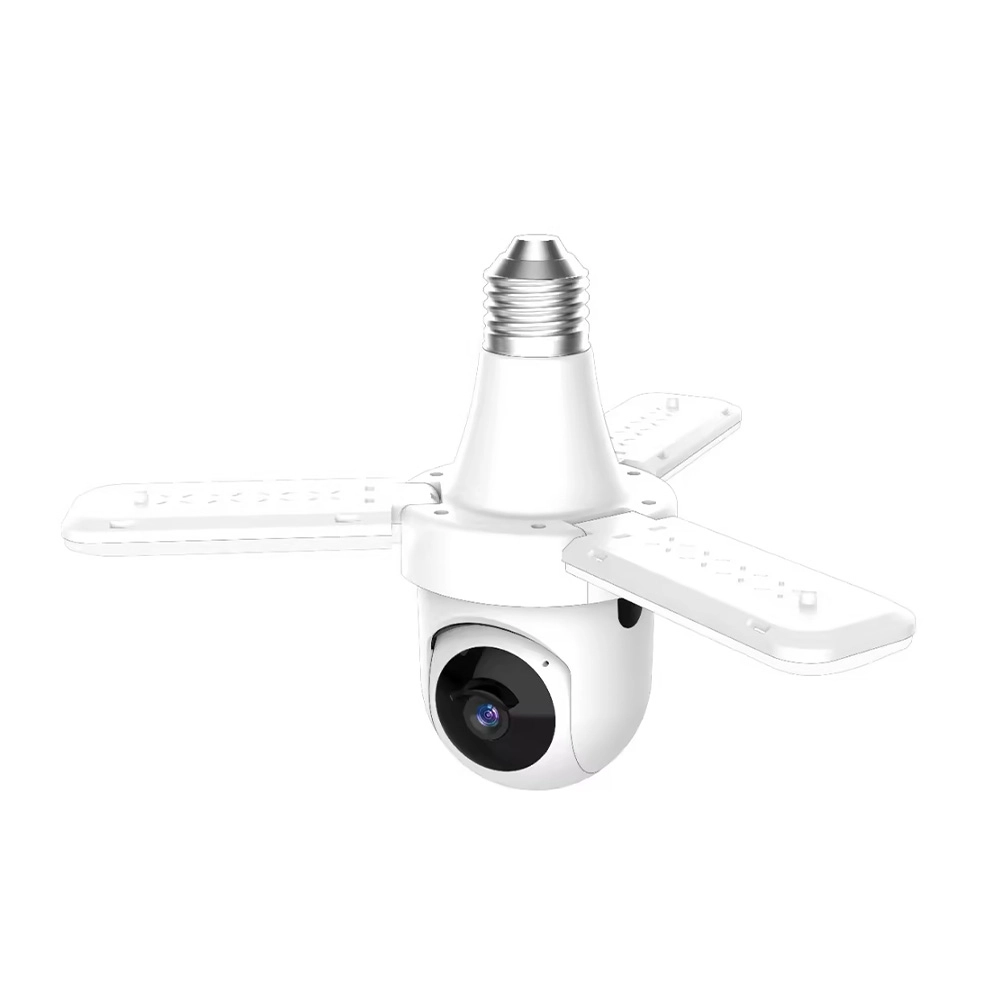
The Innotronik Bulb Camera-ITY-R25 is the best light bulb security camera, combining discreet surveillance with bright LED lighting. Easy to install and perfect for home or office security, it ensures safety without compromising style. Trust Innotronik for reliable, innovative protection.
✦ 3MP HD video with H.264 compression
✦ 350° horizontal + 80° vertical PTZ for full coverage
✦ Dual night vision: 6 IR LEDs + 30 white light LEDs
✦ Two-way audio for real-time communication
✦ 24/7 recording (128GB local + cloud storage)
✦ Motion detection with instant mobile alerts
✦ Smart Life app remote control & multi-user sharing (up to 20 users)
✦ Stable WiFi connectivity
✦ Indoor use, operates in -30°C to 40°C
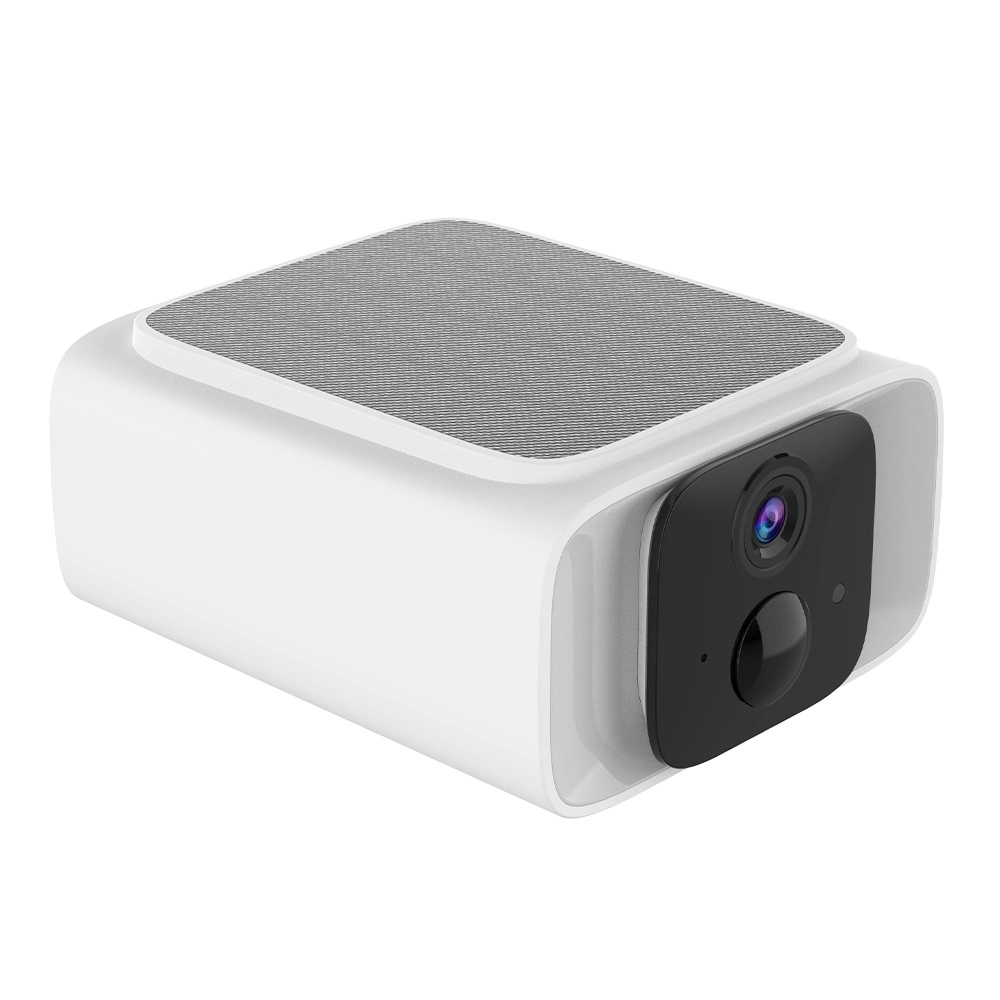
The Innotronik V-SIM Solar Camera-ITY-BC9-5MP is a reliable solar cellular security camera offering 5MP HD video, seamless remote monitoring, and long-lasting solar power. Ideal for remote surveillance, it ensures efficient, eco-friendly security with easy installation and robust connectivity.
✦ 5MP HD video with H.265/H.264 compression
✦Full-color night vision with IR LEDs
✦Two-way audio + siren alarm
✦Solar-powered + 6000 mAh rechargeable battery (3.5 months battery life)
✦Motion detection with mobile alerts
✦Supports Alexa & Google Assistant, Tuya app control
✦2.4G WiFi connectivity
✦Local storage up to 128GB
✦IP66 waterproof for outdoor use
✦Operating temperature: -10°C to 50°C
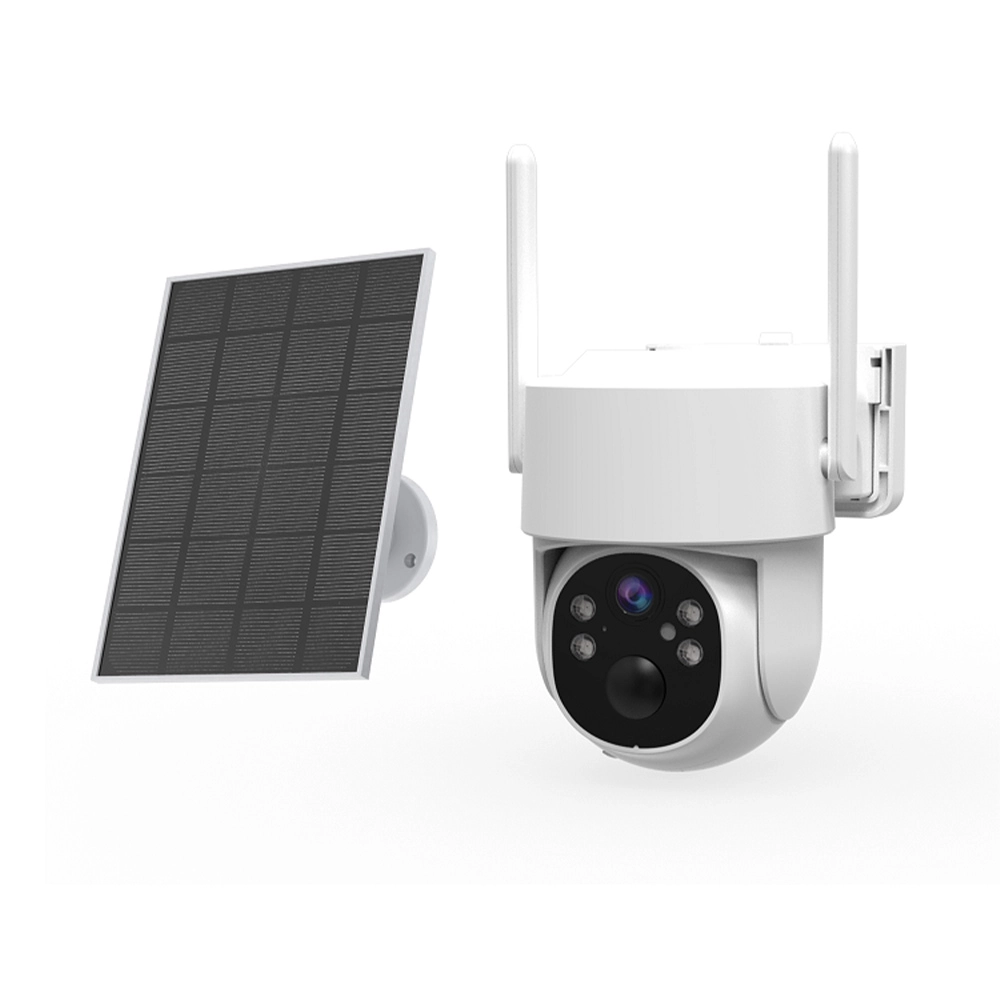
Experience seamless security with the Innotronik Wifi Solar Camera-ITY-PT31 (4MP). This solar-powered wifi camera delivers crystal-clear 4MP video, easy wireless setup, and eco-friendly operation. Perfect for outdoor monitoring with reliable, solar-powered wifi connectivity.
✦ 0-10 meters and 120-degree PIR angle and long-distance standby trigger, boots faster
✦ 7800 mAH battery and standby about 1 month (30 times/day)
✦ Automatic full-color alarm recording
✦ 4-megapixel real pixels, high-penetration lens, high-quality imaging
✦ 15 meters dual-light night vision
✦ Support human motion detection, accurate APP alarm push
✦ Two-way voice real-time intercom, anytime and anywhere to communicate
✦ 128G TF card storage without network, cloud storage video with more secure
✦ IP65 waterproof, dustproof, wind and rain fearless

Get a Free Quote
Let's Talk.
Reach out to discuss OEM & ODM options, request a quote, or start your project with our expert team.



Aelen Tran
Innotronik Manager
Leave a message
Contact us


First Floor 99-1 Donghuan Road, Zhucun Tianhe District Guangzhou City Guangdong Province
© 2026 Innotronik. All Rights Reserved.