Which 4G solar security camera features matter for remote sites?
- 1) What exact power budget and solar panel size does a 4G solar 360 PTZ camera need in cloudy climates?
- 2) How do I ensure reliable 4G LTE connectivity and SIM management for multiple remote 360 cameras where cellular coverage is marginal?
- 3) What battery chemistry and capacity strategies work best for winter operation (nightly PTZ scans + edge AI) of a solar 4G 360 camera?
- 4) How do I size data plans and implement edge recording to control 4G data costs for a 360 PTZ solar camera with edge AI?
- 5) What mounting, anti‑vandal, and thermal design details matter for long‑term 4G solar 360 camera reliability at remote sites?
- 6) Which security, compliance, and remote‑management features should I insist on before buying a 4G solar 360 camera for regulated remote sites?
1) What exact power budget and solar panel size does a 4G solar 360 PTZ camera need in cloudy climates?
A reliable power design starts with a measured power budget rather than vendor peak numbers. Typical on‑board consumers for a 360 PTZ 4G LTE surveillance camera: the PTZ motors (intermittent), IR/LEDs or spotlights for night, the image sensor and processor (edge AI), heater for low temperatures, and the 4G modem. For planning use average (not peak) watts:
- Idle video + processor + modem idle: 4–12 W
- Active PTZ movement or patrol: +3–8 W (intermittent)
- IR/LEDs or white light during night events: +3–15 W (event-driven)
- Cellular upload bursts (modem active): +2–8 W when transmitting
A conservative design example: assume an operational average of 15 W continuous to cover periodic PTZ sweeps and cellular bursts. Daily energy need = 15 W × 24 h = 360 Wh/day.
Sizing steps you can use on any site:
- Measure or estimate average W (Wavg). Use real duty cycles (how many patrols/hours of IR/recording). Wavg × 24 = Wh/day.
- Add system losses (charge controller, wiring): divide by system efficiency ~0.85–0.9 (use 0.85 for conservative designs).
- Decide autonomy (days of no sun). Remote sites usually need 3–7 days autonomy depending on mission risk.
- Battery capacity (Wh) = Wh/day × autonomy / usable depth of discharge (DoD). For LiFePO4 you can safely use 80–90% DoD; for flooded/AGM use 30–50%.
Example (conservative):
- Daily need: 360 Wh/day / 0.85 = 424 Wh/day
- Autonomy: 3 days → 424 × 3 = 1,272 Wh required
- Using 12 V LiFePO4 with 80% DoD: Ah = 1,272 Wh / 12 V / 0.8 ≈ 132 Ah (12 V)
Solar panel sizing for average cloudy conditions:
- Estimate effective sun hours for worst month (site-specific). Cloudy northern latitude might give 1–3 equivalent sun hours/day in worst case; sunnier sites 4–6.
- Required panel wattage = Wh/day / effective_sun_hours / (panel derate 0.75–0.85).
Using a 2-hour worst-case sun window and 0.8 derate: Panel W = 424 Wh/day / 2 h / 0.8 ≈ 265 W. For a 3‑hour case it drops to ≈ 177 W. In practice, pick a modular array (e.g., 200–400 W) to balance cost and reliability. Use tilt, anti‑soiling mounts, and avoid shading to maintain daily yields.
Why this matters: undersizing batteries or panels causes brownouts, modem reconnect loops, and repeated discharge cycles which shorten battery life and increase maintenance visits.
2) How do I ensure reliable 4G LTE connectivity and SIM management for multiple remote 360 cameras where cellular coverage is marginal?
Connectivity failures are a primary pain point. Follow a layered approach:
- RF survey and band verification: obtain a drive/walk test or use crowd‑sourced coverage maps, then verify the specific LTE bands supported by the camera match local carriers. Vendors often supply global band lists—confirm band support for the target country/region.
- External high‑gain antennas and antenna placement: use external 4G/LTE MIMO antennas mounted as high and as clear of obstruction as possible. Coax cable loss matters—use low-loss cable and minimize length.
- Use carrier diversity or multi‑IMSI eSIMs: multi‑carrier SIMs (or eSIM profiles) let the device attach to the best network automatically. For large fleets, use a roaming or multi‑operator M2M SIM provider that offers centralized SIM management (APIs, remote provisioning, data usage alerts).
- Failover and local buffer: implement local circular recording (microSD or edge NVR) and upload on connection restoration. Configure exponential backoff for failed uploads to prevent modem heat/battery drain.
- Cellular optimizations: lock to specific preferred bands if a tower is overloaded; use APN and QoS settings (if supported) and disable unnecessary periodic telemetry. Prefer LTE Category 4 or higher modules for throughput and better sensitivity. If 4G is marginal, consider LTE‑M or NB‑IoT for telemetry and event alarms combined with low‑rate image snapshots—however, those networks aren’t designed for continuous high‑bitrate video.
Centralized SIM and fleet management features to require: eSIM or multi‑IMSI support, remote SIM provisioning, usage alarms, and SIM/network failover logs so technicians can analyze persistent weak cells before site visits.
3) What battery chemistry and capacity strategies work best for winter operation (nightly PTZ scans + edge AI) of a solar 4G 360 camera?
Cold temperatures reduce usable battery capacity and charging acceptance. Compare top chemistries:
- Lead‑acid (AGM/flooded): inexpensive but poor cycle life (300–800 cycles), limited depth of discharge (30–50% recommended), and loses significant capacity below 0°C. Not ideal for remote low‑maintenance sites.
- Lithium Iron Phosphate (LiFePO4): higher upfront cost but far superior cycle life (2,000–5,000 cycles), stable chemistry, higher usable DoD (80–90%), and better performance at low temperatures if paired with a BMS and heater strategy.
Winter deployment recommendations:
- Use LiFePO4 with an integrated BMS. For sites expecting sub‑zero nights, specify an enclosure with thermostat‑controlled heating or choose LiFePO4 cells rated for low temp operation (many vendors ship cells rated to -20°C with reduced charge acceptance).
- Oversize battery capacity for cold: increase usable capacity by 20–40% in expected worst‑case months to account for temperature derating.
- Temperature‑compensated charge control: configure MPPT controllers with temperature sensors or use controllers designed for LiFePO4 to avoid undercharging in cold or overcharging when warm.
- Insulation and heat capture: insulating the battery compartment and taking advantage of camera and modem heat helps. Active heaters should be duty‑cycled and included in the power budget.
Example: if winter derating is 30% and your normal battery sizing calls for 132 Ah (12 V), increase capacity to ~170 Ah to maintain autonomy. Always aim for round trip reserve to avoid deep discharge that can trigger battery cut‑off and modem restarts.
4) How do I size data plans and implement edge recording to control 4G data costs for a 360 PTZ solar camera with edge AI?
Video over 4G can be the dominant recurring cost. Key controls are codec, resolution, event‑based uploads, and on‑camera analytics.
Data estimation method:
- Continuous stream bitrate (H.265): 500 kbps (low) to 2,000 kbps (high) for 720p–1080p depending on motion and scene complexity.
- Monthly GB = bitrate (kbps) × 60 × 60 × 24 × days / 8 / 1024.
Example: 1 Mbps continuous = ≈10.8 GB/day ≈ 324 GB/month.
Cost control tactics:
- Edge AI and event recording: configure human/vehicle detection so the camera only uploads short pre/post‑event clips instead of continuous streams. Edge AI reduces false alarms and data uploads dramatically (often >90% reduction vs. continuous streaming).
- H.265/H.265+ and variable bitrate: H.265 reduces bitrates ~30–50% vs H.264. Use VBR and scene‑adaptive encoding.
- Multi‑stream strategy: keep a low‑bitrate 1–2 fps thumbnail/heartbeat stream for remote monitoring and upload high‑bitrate clips only on events or operator requests.
- Local circular storage and burst uploads: keep high‑resolution footage on local microSD/NAS and only upload when a flagged event occurs or on scheduled off‑peak windows.
- Data plan structure: prefer M2M/IoT plans with pooled data and rollover where available. Ensure the carrier supports APN‑based routing if you must send video to a central server or private VPN endpoint.
Practical rule: for most remote solar installations with event‑based AI, plan for 5–40 GB/month per camera depending on event rate. For continuous remote monitoring, plan for hundreds of GB/month and consider satellite backhaul or on‑site storage alternatives.
5) What mounting, anti‑vandal, and thermal design details matter for long‑term 4G solar 360 camera reliability at remote sites?
Mechanical and environmental failure drives most maintenance trips. Key items to specify:
- IP and impact rating: minimum IP66 (dust/water ingress) for outdoor; IP67 preferred if frequent heavy rain or washdown present. For vandal risk choose IK10 housings for impact resistance.
- Wind and pole loading: verify camera+panel wind area and choose pole/arm rated for local wind speed (gust factor). Use guyed or reinforced poles for high elevations.
- Solar panel placement: mount panels away from camera shadow and tilted to the maximum local winter angle. Provide anti‑bird spikes and easy cleaning access.
- Thermal management: in hot climates, choose enclosures with passive heat dispersion, reflective finish, and shade for the battery. In cold climates use insulated battery boxes and thermostatically controlled heaters. Ensure vents are filtered and protected against insects.
- Anti‑vibration and torque management for 360 PTZ gimbals: tight mounting and correct torque prevent creeping and motor strain. Use anti‑rotation mounts and serviceable grease points per vendor maintenance guide.
- Cable protection: use trunking and conduits with UV‑resistant cable, strain reliefs, and lightning protection (surge arrestors on power and antenna coax) for exposed runs.
A smart checklist for installers: confirm tilt and azimuth for panels, validate LOS and antenna height for LTE, torque all PTZ mounts to spec, secure battery enclosure with lock, and log each site’s shadowing and seasonal solar production.
6) Which security, compliance, and remote‑management features should I insist on before buying a 4G solar 360 camera for regulated remote sites?
Security and compliance protect evidence integrity and meet legal/regulatory obligations.
Minimum technical requirements to demand:
- Encryption: TLS 1.2+ or TLS 1.3 for cloud connections, and AES‑128/256 for stored footage on device and in transit. Ensure keys are protected by hardware or secure elements when possible.
- Secure firmware lifecycle: signed firmwares, secure boot, and OTA update capability with rollback protection. Vendors should publish a vulnerability disclosure policy and CVE response process.
- Authentication and logging: support for strong authentication (unique device credentials, disable default accounts), syslog/SIEM integration, and audit logs with tamper‑evidence.
- Network segmentation and VPN: ability to operate over an IPsec or TLS VPN, or at minimum use private APNs to avoid public exposure. Block unnecessary services (Telnet, FTP) and expose only required ports.
- Data retention & sovereignty: know where cloud footage is stored (region) and ensure retention policies match regulatory needs (GDPR, local privacy laws). For high‑regulation sites keep a local encrypted copy as the canonical evidence source.
- Device management: require an MDM/FLM (fleet lifecycle management) that provides remote config, SIM status, usage reports, and security patching. For large deployments, automated provisioning and audit trails reduce risk and cost.
Always include these checks in procurement specs and require the vendor to provide security whitepapers, third‑party penetration test results, and an update SLA.
Conclusion: advantages of 4G solar 360 security cameras for remote sites
When correctly specified and installed, a 4G solar security camera with a 360° PTZ head combines rapid, off‑grid deployment with scalable surveillance: minimal trenching, flexible relocation, and strong deterrence and situational awareness. The real benefits come from disciplined design—accurate power budgeting, LiFePO4 battery selection and winter derating, robust LTE link engineering (antennas, multi‑SIM/eSIM), edge AI to limit data costs, and hardened mechanical enclosures (IP/IK ratings, pole mounting and thermal management). Pairing these features with secure device management and signed firmware closes the operational loop and keeps maintenance visits low.
For project quotes, site surveys, or a tailored BOM for your remote 360 PTZ solar deployment, contact us for a quote at tit3nhoq.gooeyun.com or email info@innotronik.com.

Top 10 Best Smart Indoor Camera Manufacturers in China 2026
FAQs
Does Innotronik have research and development capabilities?
Where is Innotronik located and do you serve global markets?
What production facilities and quality systems does Innotronik have?
How long has Innotronik been in the security camera industry?
What is Innotronik's core business?
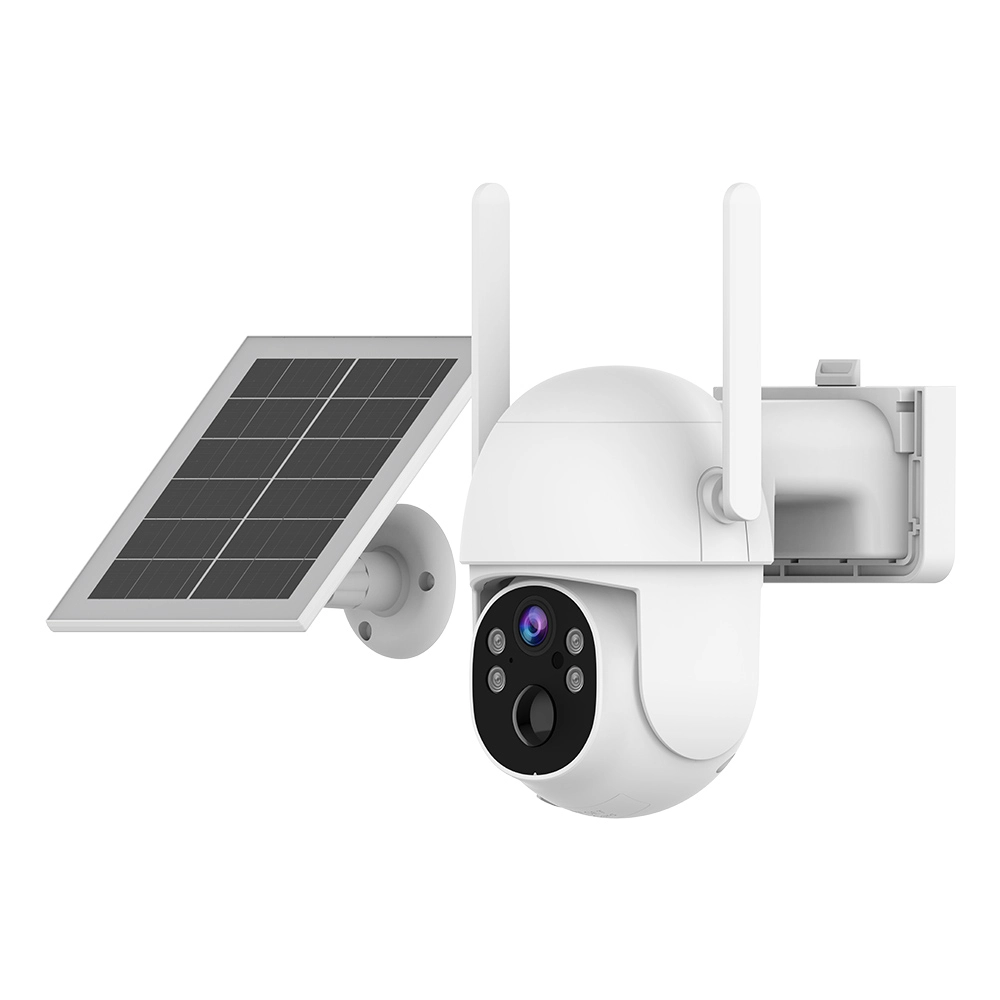
Experience unmatched security with Innotronik’s V-SIM Solar Camera-ITY-PT51-4MP. This 4G solar security camera offers seamless remote monitoring, easy installation, and eco-friendly power, ensuring reliable surveillance anywhere with crystal-clear 4MP video quality.
✦ 0-10m 120° PIR long-range standby trigger for faster startup
✦ 6000 mAh battery with 1-month standby (30 times/day)
✦ Automatic full-color alarm recording
✦ 4MP true pixels and a high-resolution lens for premium imaging
✦ 15m dual-light night vision for clear vision, even in the dark
✦ Supports human motion detection and accurate app alarm push
✦ Two-way real-time voice intercom for communication anytime, anywhere
✦ 128GB TF card storage for recording even without an internet connection; cloud storage for more secure recordings
✦ IP65 waterproof and dustproof for wind and rain resistance
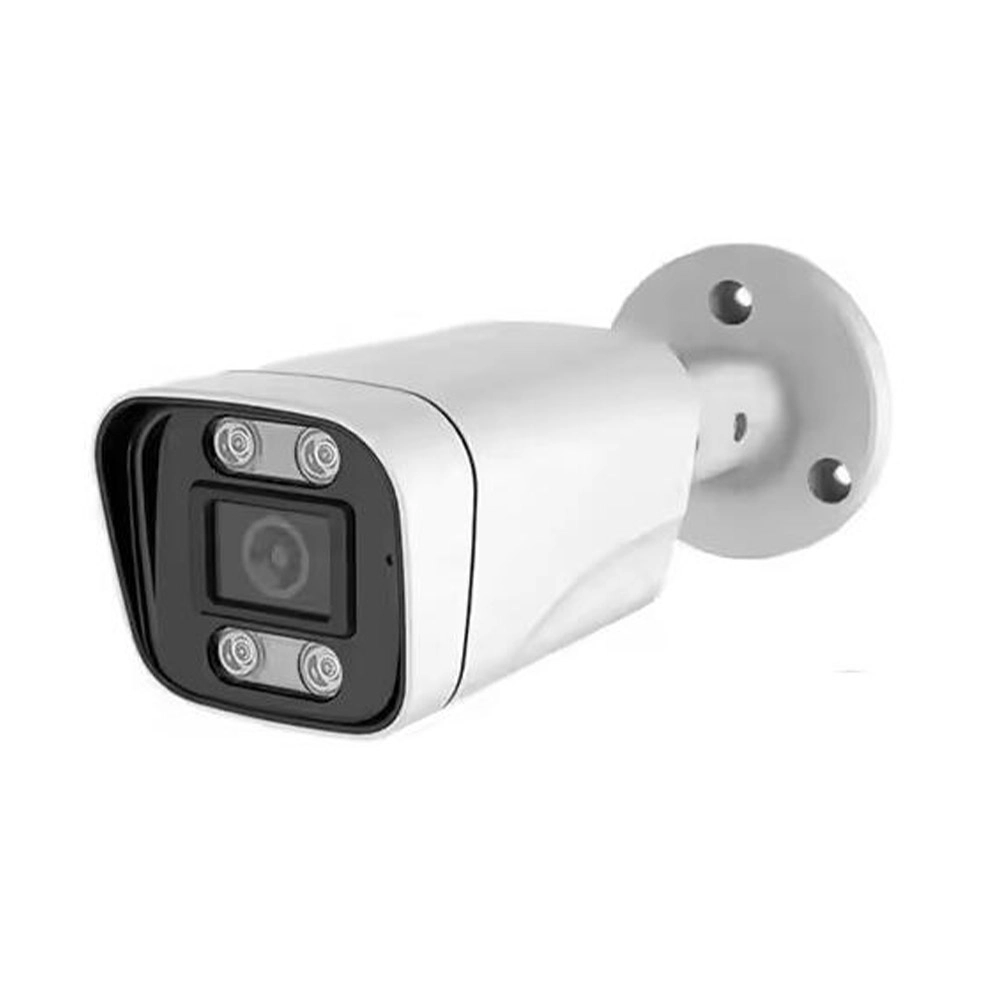
The Innotronik HD Camera IN-W022-IP400G delivers exceptional image clarity with advanced coaxial camera technology. Ideal for precise surveillance, this IP400G model ensures reliable performance and seamless integration for all coaxial camera systems. Perfect for professional security needs.
✦Face Recognition & Quick Playback: Easily find and review footage of specific people.
✦3 Night Vision Modes: Choose full-color, infrared, or auto-switching smart mode for clear night viewing.
✦Two-Way Audio: Talk to visitors or family in real time from your phone.
✦Flexible Setup: Works with a PoE switch/NVR or a standard router for both wired and semi-wired use.
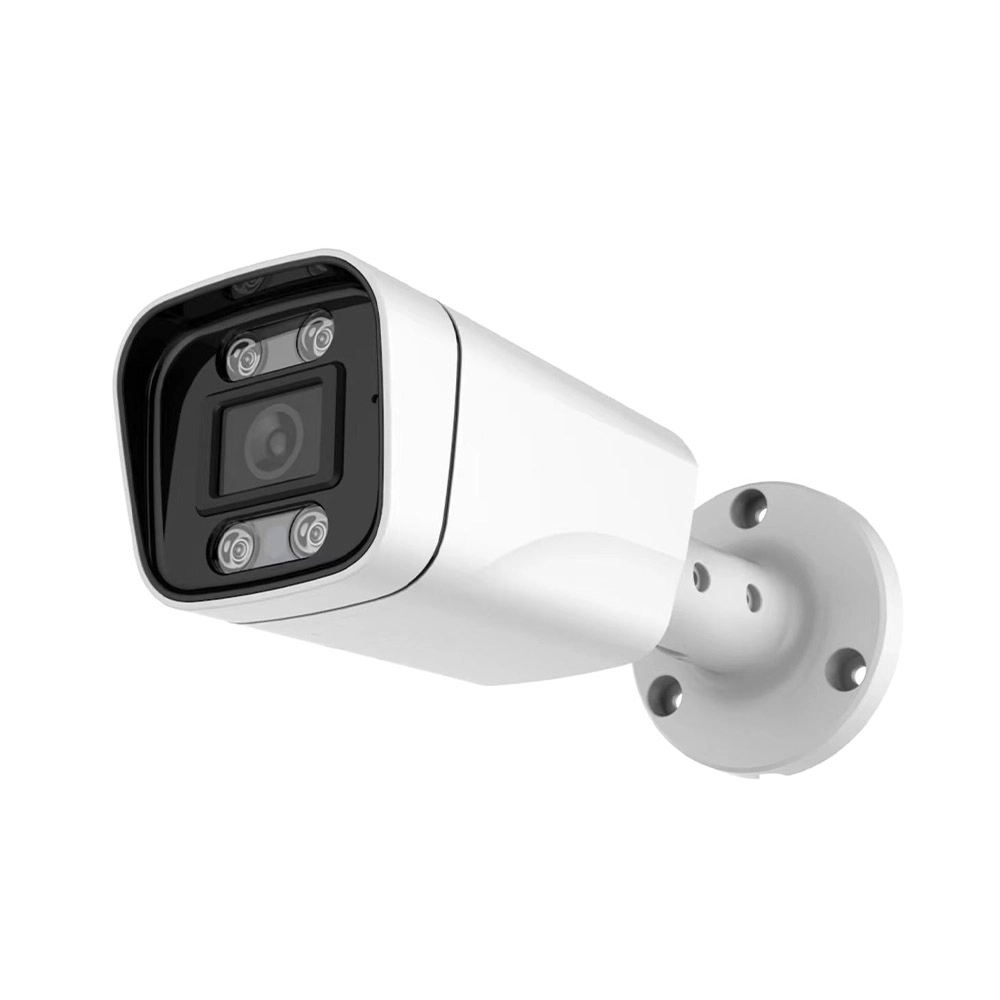
The Innotronik IP Camera-IN-W022-IP400G 4MP delivers high-resolution 4MP video with reliable PoE power support. Ideal for secure surveillance, this IP camera offers easy installation and stable network connectivity, enhancing your monitoring system with advanced IP camera PoE technology.
✦ 4MP Ultra-HD: 2560*1440 resolution with H.265 for superior clarity.
✦ AI Human Detection: Supports polygonal defense areas and custom voice alerts.
✦ Smart Alarm Linkage: Features light/sound alarms and instant mobile push.
✦ Standard PoE: Integrated RJ-45 for stable power and data transmission.
✦ Image Enhancement: Supports 3D NR and D-WDR for clear professional video.
✦ ONVIF Compatible: Easy integration with NVRs via multiple network protocols.
✦ Remote Access: Monitor via the P6slite app or the EasyVMS Windows client.
✦ Wide Temp Range: Durable performance in environments from -30°C to +80°C.
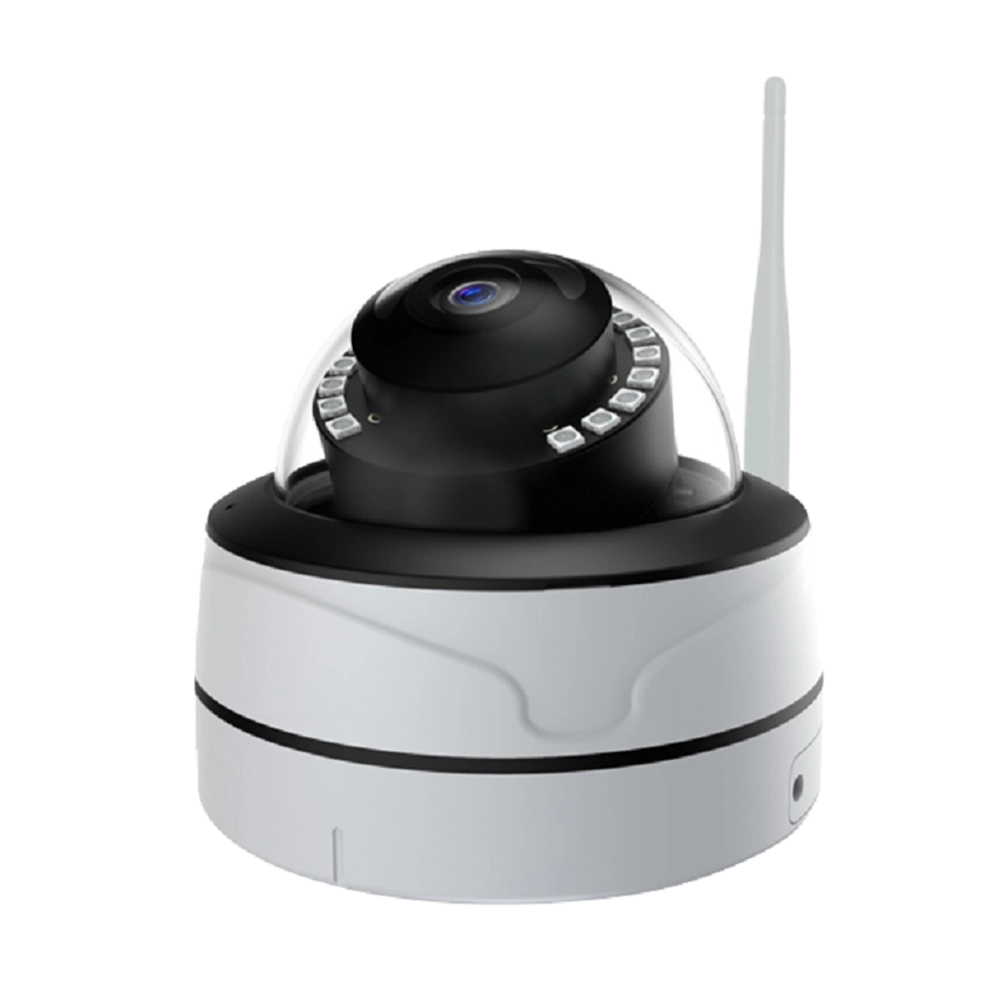
The Innotronik Wifi Camera Indoor-ITY-B32 (4MP) is a smart indoor camera delivering crystal-clear 4MP video. Designed for seamless home security, it offers real-time monitoring, motion detection, and easy WiFi setup. Enhance your indoor safety with Innotronik’s reliable smart camera.
✦ 4MP Ultra-HD: 2560 × 1440 resolution for superior clarity.
✦ Dual-Band WiFi: 2.4G/5G and Bluetooth for stable, fast connectivity.
✦ Smart Detection: Real-time human/motion alerts to your phone.
✦ Two-Way Audio: Built-in mic and speaker for easy communication.
✦ Night Vision: 12 LEDs provide clear imaging in total darkness.
✦ H.265 Coding: High-efficiency compression saves 50% storage space.
✦ Flexible Storage: Supports 128GB MicroSD, Cloud, and ONVIF.
✦ Durable Design: Reliable performance from -30°C to +60°C.

Get a Free Quote
Let's Talk.
Reach out to discuss OEM & ODM options, request a quote, or start your project with our expert team.



Aelen Tran
Innotronik Manager
Leave a message
Contact us


First Floor 99-1 Donghuan Road, Zhucun Tianhe District Guangzhou City Guangdong Province
© 2026 Innotronik. All Rights Reserved.